(DailyVantage.com) – President Biden removed Cuba from the state-sponsored terrorism list in his final days, only to have President Trump reverse the decision within a week—demonstrating yet again how Washington’s foreign policy swings leave Americans questioning whether our leaders serve national security or political theater.
Story Snapshot
- Biden removed Cuba from terrorism list January 14, 2025, citing no terrorism support and securing release of 553 political prisoners
- Trump reinstated the designation immediately after inauguration on January 20, marking the second time he reversed such action
- The reversal highlights decades of policy whiplash that undermines consistency and leaves Cuban people suffering under economic sanctions
- Cuba has been on and off the list since 1982, with each administration prioritizing political constituencies over strategic clarity
Biden’s Last-Minute Policy Reversal
On January 14, 2025, just days before leaving office, President Biden issued a Certification of Rescission removing Cuba from the State Sponsors of Terrorism list. The move came after the Catholic Church brokered a deal for Cuba to release 553 political prisoners. Biden certified that Cuba had provided no support for international terrorism in the prior six months and offered assurances against future support. He simultaneously revoked Trump-era restrictions targeting Cuban military entities and suspended provisions allowing lawsuits over confiscated property. The timing raised immediate questions about whether this represented genuine policy reassessment or a farewell gesture.
Trump’s Swift Reversal Restores Hardline Stance
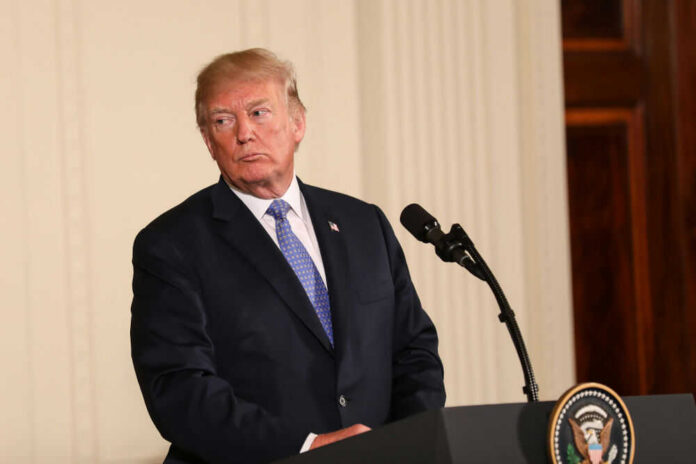
President Trump wasted no time undoing Biden’s actions. Within days of his January 20 inauguration, Trump reinstated Cuba’s terrorism designation and restored the Cuba Restricted List targeting over 200 military-linked entities. This marked the second occasion Trump reversed a predecessor’s Cuba policy—he had previously overturned President Obama’s 2015 removal of the designation. Trump’s decision aligned with his administration’s broader America First approach and responded to concerns from Cuban-American communities in Florida about Cuba harboring fugitives from U.S. justice and members of Colombian terrorist group ELN. Secretary of State nominee Marco Rubio, a vocal Cuba hardliner, strongly influenced the policy direction.
Decades of Policy Whiplash Serve Politics Over People
Cuba’s designation history reveals a troubling pattern of partisan flip-flopping that undermines American credibility. President Reagan first added Cuba to the list in 1982. Obama removed it in 2015 as part of diplomatic normalization. Trump redesignated Cuba in January 2021, citing terrorism concerns. Biden maintained that designation throughout his term until his eleventh-hour reversal. Each change reflects domestic political calculations—Democrats seeking engagement, Republicans responding to Cuban exile communities—rather than consistent strategic assessment. This whiplash prevents meaningful economic development in Cuba, blocks international lending, and perpetuates the suffering of ordinary Cubans through sanctions while doing little to address legitimate security concerns about fugitives or terrorist groups.
The Real Cost of Washington’s Political Games
The rapid policy reversals expose how federal officials prioritize reelection and partisan constituencies over coherent foreign policy. American University professor William LeoGrande predicted Biden’s measures wouldn’t survive the transition, acknowledging the policy served neither lasting U.S. interests nor the Cuban people. South Florida Republicans criticized Biden’s move as enriching Cuba’s military regime, while progressives like Representative Ilhan Omar praised it as overdue normalization. Meanwhile, ordinary Cubans face ongoing economic crisis with blackouts and migration, worsened by sanctions that remain regardless of which party controls Washington. The designation triggers arms embargoes and financial restrictions that deter investment and development, yet its removal or reinstatement appears driven more by election cycles than terrorism realities.
Both conservatives frustrated with Biden’s appeasement of a regime harboring terrorists and liberals concerned about humanitarian impacts share common ground: neither side benefits when policy becomes a political football. The designation process allows presidential certification followed by congressional review, but transitions render oversight meaningless. This leaves American foreign policy looking unreliable to allies and adversaries alike, while domestic audiences witness another example of government dysfunction. Whether Cuba genuinely supports terrorism or simply hosts fugitives becomes secondary to the spectacle of reversals that accomplish nothing except demonstrating Washington’s inability to maintain principled, consistent positions that transcend partisan power struggles.
Sources:
Restore Cuba Engagement – Biden Promise Tracker
Rep. Omar’s Statement on Removing Cuba from State Sponsor of Terror List
Opinion: Biden Removes Cuba from Terrorist List, but Devastating Economic Blockade Remains
Copyright 2026, DailyVantage.com