(DailyVantage.com) – While Americans are being asked to obsess over 2028, 2026 is already overflowing with wars, elections, disasters, and major national milestones that actually demand attention now.
Quick Take
- A “Morning Minute” commentary argues the media’s early 2028 fixation is distracting from urgent 2026 crises and decisions.
- Global conflict headlines in 2026 include fighting tied to Pakistan and the Afghan Taliban, plus wider Middle East instability that only recently saw a ceasefire.
- The U.S. is heading toward November 2026 midterms while also preparing major civic moments like the nation’s 250th anniversary celebrations.
- Big-ticket events—from the FIFA World Cup in North America to NASA’s Artemis II milestone—are happening in the same crowded year.
Why the “Stop Talking About 2028” Complaint Is Landing Now
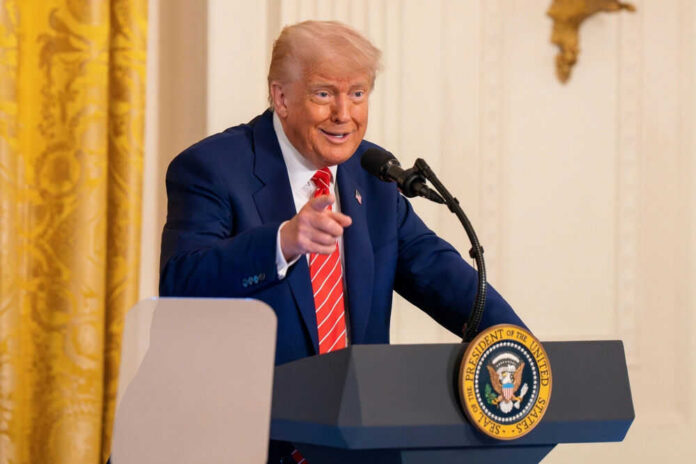
The “Morning Minute: Can We Please Get Through 2026 Before We Start Worrying About 2028?” theme resonates because the 2026 calendar is already packed with consequential events that affect real lives and real budgets. With President Donald Trump in a second term and Republicans controlling Congress, political incentives still push constant campaign chatter. But for voters who feel government is failing basic responsibilities, a premature 2028 narrative can look like Washington choosing career politics over governing.
That frustration isn’t limited to the right. Conservatives often see early presidential speculation as a media industry habit that crowds out bread-and-butter concerns like inflation, energy costs, border enforcement, and federal competence. Many liberals, meanwhile, argue the same attention economy inflames polarization and reduces space for oversight and practical problem-solving. The common denominator is distrust: too many Americans across the spectrum suspect “the system” performs for cameras while urgent issues pile up.
A Crowded World Stage Makes 2026 Hard to Ignore
2026 has already included major security developments tracked in widely used public timelines. Pakistan declared war on the Afghan Taliban in late February, and March reporting included a deadly Kabul hospital airstrike in that conflict. The Middle East also saw sharp escalation earlier in the spring, followed by an Iran–U.S. ceasefire after a Trump ultimatum, according to the year’s running chronology. These events are exactly why some analysts argue the country cannot afford political autopilot.
Even when Americans prefer an America-first focus, global instability rarely stays “over there.” War and regional escalation can disrupt energy markets, supply chains, and defense priorities—issues that flow straight into household costs and federal spending debates. For conservatives who want limited government and disciplined budgets, the problem is not simply that crises exist; it’s that a government consumed by campaign theater may respond late, spend wastefully, or dodge accountability. The research available here catalogs events, but it doesn’t quantify policy outcomes.
Midterms, Milestones, and the Problem of Permanent Campaigning
The U.S. midterm elections are scheduled for November 3, 2026, placing domestic politics on a steady march toward the next power test. Yet 2026 is also a year of civic and national milestones, including the ramp-up toward America’s 250th anniversary celebrations. In a healthier political culture, these moments would reinforce shared history and civic unity. In a hyper-partisan culture, they risk becoming another branding opportunity—one more stage for elites to posture rather than deliver results.
The “Morning Minute” style complaint also reflects a broader media incentive structure: politics is a reliable ratings engine, and 2028 speculation is easy content compared with explaining complex events, budgets, or reforms. The research provided does not offer direct transcripts or audience metrics for the specific segment, so its precise reach is unclear. Still, the premise mirrors a real pattern: voters sense the conversation is being steered toward personalities and horse-races, even as day-to-day governance failures persist.
Sports, Space, and a Nation Pulled in Too Many Directions
Not everything on the 2026 calendar is conflict-driven. The FIFA World Cup is scheduled for June and July in North America, and NASA’s Artemis II mission achieved a record-setting human distance milestone in April, according to the year’s event summaries. These are big, unifying headlines—exactly the kind that can remind Americans what competence and ambition look like. But they also compete in the same attention market where pundit culture keeps dragging the focus back to 2028.
Morning Minute: Can We Please Get Through 2026 Before We Start Worrying About 2028?https://t.co/WUam5GPtak
— RedState (@RedState) May 14, 2026
The practical takeaway from this “get through 2026 first” argument is less about banning political talk and more about demanding proportion. Americans can care about the long-term direction of the country while still insisting elected officials prioritize the duties in front of them: security decisions, fiscal discipline, disaster readiness, and basic competence. When politics becomes permanent campaigning, it reinforces a belief shared by many right and left voters—that the deep-state-and-donor ecosystem is more invested in power than performance.
Sources:
Wikipedia: Category: 2026 timelines
CalendarLabs: 2026 Yearly Calendar
Copyright 2026, DailyVantage.com