Israel’s strike in Beirut has set off a new test for U.S. diplomacy with Iran and raised hard questions about timing and targets.
Story Highlights
- Israel says the Beirut strike answered Hezbollah rocket and drone attacks into northern Israel [1][2].
- Reports say two apartment buildings in Dahiyeh were hit without prior warning [2][3].
- The strike landed as a U.S.–Iran understanding was reportedly near, risking derailment [2][5].
- Trump said the attack “should not have happened,” urging both sides to hold fire [5].
Israel Says Strike Answered Hezbollah Fire Across The Border
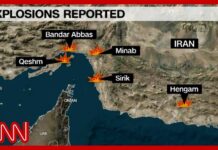
Israeli leaders said their forces hit Hezbollah targets in Beirut after rocket and drone attacks from Lebanon into northern Israel that set off sirens and sent families to shelters. Prime Minister Benjamin Netanyahu and Defense Minister Israel Katz tied the operation to recent barrages across the border. Military briefings also said Israel struck about 150 Hezbollah targets over the weekend, including weapons depots and command sites, signaling a broader campaign to blunt cross-border fire [1].
The Israeli military described the Beirut operation as a precision strike focused on militant assets inside the capital’s southern suburbs. Officials framed the action as self-defense after repeated drone infiltrations and rocket launches. Supporters argue that delay only invites more attacks on Israeli towns. They point to Hezbollah’s pattern of firing after past ceasefires, and they argue that clear force now can shorten the fight and restore calm faster than half measures [2].
Reports From Dahiyeh Raise Civilian-Risk Concerns
Coverage from Beirut said two apartment buildings in the Dahiyeh district were hit and residents did not receive prior warning. The area is dense, with many families, migrant workers, and Syrians living in close quarters. These reports cut against the “precision” label and raise hard questions about targeting and civilian shielding. Critics claim the strike risks widening the war inside a city and will be used to rally support for Hezbollah, even if Israel aimed at militant sites embedded in housing blocks [2].
The lack of publicly released proof for the specific Hezbollah attacks that triggered this strike leaves a gap skeptics will press. The reports repeat Israel’s claims about rockets, drones, and 150 targets, but do not include telemetry, video, or a battle damage assessment for Beirut itself. That asymmetry is common in fast-moving fights, but it feeds doubts in global media. Advocates for Israel answer that Hezbollah hides in civilian areas by design, making clean strikes difficult and warnings dangerous to troops and intelligence [1][2].
Diplomacy With Iran Faces New Strain As Washington Seeks Stability
The strike hit as talks between the United States and Iran reportedly moved toward a memorandum of understanding through Qatari channels. Reporting says a negotiating team was in Tehran and that the Beirut action “created issues” for finalizing a deal. That timing handed leverage to critics who argue battlefield moves can spoil delicate diplomacy. A week of tit-for-tat actions in the region has already shown how one strike can trigger larger ripples across capitals and alliances [2].
President Donald Trump posted that the attack “should not have happened,” saying the sides were close to a deal and asking Israel and Hezbollah to stop hitting each other. That message signals the White House priority: reduce risk, keep talks alive, and protect Americans and partners from a wider war. The administration is also working on a path for Israel and Lebanon to lower tensions. A blowup now would raise costs for U.S. interests, drain focus from the border and economy, and embolden Iran’s proxies [5].
What Conservatives Should Watch At Home And Abroad
American conservatives want strong borders, peace through strength, and clear aims. They also want no blank checks for endless wars. Three tests now matter. First, does Israel present verifiable evidence of the triggering rocket and drone attacks and of the targets struck in Beirut. Second, does Hezbollah scale back fire or try to pull the region into a larger fight. Third, does Tehran use the Beirut episode to stall talks while its proxies keep pressure on Israel and U.S. interests [1][2][3][5].
New Escalation Between Israel and Iran Following Strike on Southern Beirut Suburb
Beirut/Jerusalem – Tensions between Israel and Hezbollah flared again on Sunday following military incidents along the Israeli-Lebanese border and in Beirut’s southern suburbs.
The Israeli military…— Seals Consulting (@Consulting4502) June 14, 2026
The Trump administration’s job is to back an ally’s right to self-defense while guarding U.S. lives, treasure, and focus. That means pressing for facts, pushing partners to avoid avoidable civilian harm, and warning Tehran that any hit on Americans will be met fast and hard. It also means exposing how terror groups hide behind families in dense cities. Sunlight on targets, attack logs, and legal reviews can cut through propaganda and help keep our foreign policy grounded in truth.
Sources:
[1] Web – Iran War Day 107: Israel Bombs Beirut, Imperiling U.S.–Iran Peace Deal
[2] YouTube – Israel Strikes Hezbollah HQ in Beirut After Rocket Attack on Northern …
[3] YouTube – Israel strikes Beirut’s southern suburbs as Iran and US close in on …
[5] YouTube – DEADLY Israeli Strike Hits Beirut
© dailyvantage.com 2026. All rights reserved.