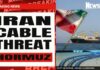
U.S. forces disabled three Iranian oil tankers after Iran targeted Navy warships near the Strait of Hormuz, signaling a sharp escalation with global trade on the line.
Story Snapshot
- U.S. Central Command says strikes on Iranian oil tankers followed Iranian attacks on Navy ships and commercial vessels.
- Command posts, air defenses, and fast-attack boats in Iran were also hit to curb further attacks, officials said.
- Iran denounced the strikes as illegal and a breach of a ceasefire framework, vowing a response.
- Hormuz tensions threaten energy routes and test international law on self-defense at sea.
What U.S. Forces Did and Why It Matters
U.S. Central Command said it struck more than 80 Iranian military targets after attacks on ships in or near the Strait of Hormuz. The targets included air defense systems, coastal radar, and small fast boats used to menace traffic. Officials framed the operation as self-defense and a way to protect global shipping lanes. The command also confirmed action against three Iranian oil tankers tied to Iran’s maritime pressure campaign, saying the aim was to impose costs and reduce future attacks.
U.S. officials linked the tanker strikes to recent Iranian moves against Navy destroyers and commercial vessels. Reports this week showed multiple tankers hit or harassed around Hormuz, which is one of the world’s tightest energy chokepoints. The command said the United States does not seek a wider war, but it will act to keep sea lanes open. The military described the response as targeted and proportionate under the right of self-defense, a legal claim often tested in maritime clashes.
How Iran Responded and What It Claims
Iran’s Foreign Ministry called the U.S. actions “aggressive” and a “gross violation” of a recent ceasefire understanding. It said an American strike damaged an Iranian tanker’s engine compartment and accused the United States of hitting a telecommunications site on Qeshm Island. Tehran claimed the attacks came from the territory of regional states and warned it would use all means to respond. These claims largely come through state-linked channels and allied media reports.
Iran’s military messaging framed its actions as retaliation to protect its territory and shipping. That account clashes with U.S. statements that cite unprovoked Iranian attacks on Navy ships and commercial vessels. This pattern echoes prior Hormuz crises. Each side asserts self-defense, and each disputes the other’s version. Independent verification often lags behind the news cycle, while narratives harden. That delay raises the stakes on both law and public trust during fast-moving sea incidents.
Why This Flashpoint Hits Home
The Strait of Hormuz moves a large share of the world’s oil and gas. Disruptions there can ripple into higher fuel and shipping costs for families and small businesses. Research shows even modest conflict can unsettle markets, strain supply chains, and add uncertainty for energy buyers. That uncertainty can punish workers far from the Gulf. Many Americans worry that leaders talk tough yet fail to shield households from the bill that follows foreign crises and policy mistakes.
This episode also revives long debates about what counts as lawful self-defense at sea. Legal scholars say the key tests are necessity and proportion: Was there an armed attack, and did the response fit the threat? The record from past Hormuz disputes shows how hard those tests can be in real time. Clear evidence is rare, propaganda is common, and decisions move faster than public proof. That gap feeds distrust across the political spectrum.
Sources:
facebook.com, reuters.com, defence-blog.com, centcom.mil, foxnews.com, en.wikipedia.org, axios.com, kurdistan24.net, moneycontrol.com, tandfonline.com
© dailyvantage.com 2026. All rights reserved.