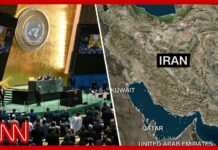
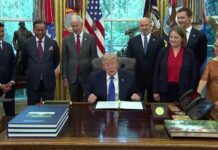
American bombers went silent over Iran after 13 straight nights of strikes, and officials say a shortage of missile interceptors helped push President Trump to hit pause.
Story Snapshot
- No U.S. strikes hit Iran overnight after 13 consecutive nights of bombing.
- Trump ordered forces to hold off while checking if Iran wants to negotiate.
- The White House has not called this a formal ceasefire; military options stay on the table.
- A shortage of missile interceptors in the region reportedly factored into the decision.
- Iran says it will hold its own fire as long as the U.S. pause holds.
Bombing Stops After Nearly Two Weeks Of Strikes
U.S. warplanes went quiet over Iran after 13 straight nights of bombing, according to broadcast reports covering the sudden lull. No American strikes hit Iranian territory overnight, marking the longest gap in the campaign since it began. The pause followed a Friday decision by President Trump to hold off on further military action while his team weighed whether Tehran was serious about talks.
Trump has not declared victory or defeat. Instead, reporting describes the halt as a working pause, not a peace deal. The New York Post noted the White House has not formally called this a ceasefire, and military options remain available if talks fail. That distinction matters because it leaves the door open for strikes to resume at any time without warning.
Interceptor Shortage Adds Pressure To Decision
One reported reason behind the pause centers on weapons supply. A high-level Friday meeting reportedly weighed holding off on expanding operations partly because of a shortage of missile interceptors in the region. This detail suggests the decision wasn’t only about diplomacy. It may also reflect real limits on how long the U.S. military can keep firing at the current pace without running low on defensive gear.
That stockpile concern comes from unnamed sources summarized in White House deliberations, not from an on-the-record Pentagon briefing or public inventory data. No document has been released showing exact ammunition levels or resupply timelines. Readers should treat the interceptor-shortage explanation as plausible but not yet confirmed by any named military official or formal report.
Iran Signals It Will Match The Pause
Tehran responded to the American stand-down with one of its own. A senior Iranian official told Reuters that Iran would halt its own attacks as long as the U.S. pause stays in place. That statement suggests both sides are treating the lull as a mutual, informal understanding rather than a signed agreement. Still, nothing in current reporting shows any written truce between Washington and Tehran.
Trump’s Words Keep The Door Open For More Fighting
Trump’s own comments make clear this pause is conditional, not final. He has said the U.S. remains open to a deal while also warning the country is “locked and loaded” and ready to strike harder if talks collapse. He has called a negotiated settlement the “smarter strategy,” but has repeated threats of heavier attacks before, including warnings of strikes “at a significantly greater level and intensity” if Iran doesn’t agree to U.S. terms.
Vance, Caine raised concerns about escalating war in Iran, sources say as US pauses consecutive nights of strikes
Vice President JD Vance and Chairman of the Joint Chiefs of Staff Gen. Dan Caine both raised concerns about escalating the war in Iran as President Donald Trump… pic.twitter.com/vEheYAtHH9
— Black Page (@WorldNEWS0_) July 27, 2026
This pattern isn’t new. Earlier this year, Trump agreed to suspend bombing for two weeks while mediators worked toward a truce, only for fighting to resume later. That history gives Americans on both sides of the political aisle reason for skepticism. A pause announced today offers no guarantee of lasting peace, and the public record shows these stand-downs have broken down before.
What Remains Unclear
Several basic questions remain unanswered in public reporting. It’s not clear whether the pause covers every type of strike or only certain targets, since some coverage refers to bombing broadly while other reports mention strikes on energy infrastructure specifically. Casualty and damage figures also vary across outlets, making it hard for anyone outside the government to judge how the two sides truly stand on the battlefield right now.
For a country weary of long wars and vague official statements, this episode fits a familiar pattern. Citizens are told fighting has stopped, but not told for how long, or exactly why. Whether this pause becomes a real step toward peace or just another lull before renewed strikes will depend on decisions made behind closed doors in Washington and Tehran alike.
Sources:
feedpress.me, nbclosangeles.com, nypost.com, dw.com, aljazeera.com, facebook.com
© dailyvantage.com 2026. All rights reserved.