A federal judge halted parts of the Justice Department’s push on alleged noncitizen voting in California, citing likely voter-intimidation under the Voting Rights Act.
Story Highlights
- A judge ordered the Justice Department to stop threatening California election workers and to drop demands to separate or not count certain ballots.
- A separate court told the Justice Department to give its list of about 20,000 alleged noncitizen registrants to an immigrant-rights group and legal team for review.
- The Justice Department sued California and charged 28 foreign nationals with election-related crimes; officials say all 28 were on the larger list.
- Los Angeles County’s early review of 200 names found many had never voted, raising accuracy questions about the broader list.
What the Courts Did and Why It Matters
U.S. District Judge Trina Thompson issued a temporary restraining order that blocks the federal government from threatening California election officials with prosecution and from directing them to separate or not count ballots tied to alleged noncitizens. The order followed a suit by election-worker unions who said federal pressure put staff at risk and could harm lawful voters. The ruling says the tactics likely violated the Voting Rights Act’s ban on intimidation of people who help voters, including election workers.
In a separate case in Washington, D.C., a federal judge ordered the Justice Department to provide its list of more than 20,000 alleged noncitizen registrants to the Coalition for Humane Immigrant Rights and to the UCLA Voting Rights Project legal teams for accuracy checks. The order aims to let independent reviewers test the government’s matches before any action that could affect voters. The court set a rapid deadline, signaling the high stakes as ballots are cast and counted.
What the Justice Department Claims
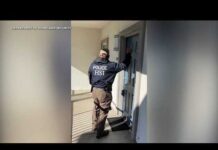
The Justice Department, working with the Department of Homeland Security, sued California, saying it identified more than 20,000 likely noncitizens on the state’s voter rolls. Officials said they cross-referenced state rolls with federal records and removed people with evidence of citizenship. The department also charged 28 foreign nationals in California with crimes that include unlawful voting and false claims of citizenship. It said each charged person appeared on the larger list.
Justice Department leaders argued that California relies on voter attestations instead of verifying citizenship, which they say invites errors and abuse. They portrayed temporary ballot segregation for suspected noncitizens as a standard safeguard similar to handling provisional ballots, meant to protect election integrity while facts are checked. These claims frame the federal push as a necessary enforcement step, not an attempt to suppress votes.
Accuracy Checks and Early Red Flags
Local reviews have raised doubts about the list’s precision. Los Angeles County examined 200 records and reported that about seven in ten had never voted, and many registrations had been canceled, suggesting the federal matches might overflag people who are not actually voting. Because the sample is small, it does not settle the wider question. But it shows why courts want independent testing before officials touch live ballots or pressure front-line workers.
Over 40% of names on DOJ’s California noncitizen voter list not on state rolls, filing says
More than 4 in 10 names flagged by the Trump administration as possible noncitizen voters in California cannot be found on the state’s voter rolls, according to a legal filing,… pic.twitter.com/5bQFIIunTL
— Rifnote (@viarifnote) October 31, 2026
Broader research finds noncitizen voting is rare. A Brennan Center review of 42 jurisdictions that counted 23.5 million votes in 2016 found only about 30 suspected noncitizen cases referred for further checks—about one in a million ballots. That history does not decide today’s case, but it sets a bar: name matches in databases often overstate risk. When government moves fast on weak data, it can sweep in lawful voters and strain trust on both sides of the aisle.
What This Means for Voters and Workers
The twin rulings send a clear message: protect ballots and protect the people who run elections. Courts did not dismiss the Justice Department’s right to investigate. They did insist on guardrails that prevent rushed steps from chilling lawful votes or putting clerks in legal danger. That balance aligns with a core civic value many Americans share—secure elections without government heavy-handedness or political theater at the expense of citizens.
Why Both Sides Are Frustrated
Conservatives see a state system that may not confirm citizenship and fear illegal votes dilute their voice. Liberals see federal pressure as a path to toss lawful ballots and scare workers. Both see a federal system that moves fast, fights loud, and often gets the basics wrong. The courts’ orders aim to slow that down. Independent review of the list and a pause on threats are steps toward facts first, then fixes—before anyone’s vote or job is put at risk.
Sources:
newsweek.com, cbsnews.com, justice.gov, rawstory.com, vrp.ucla.edu, abc7news.com, kcra.com
© dailyvantage.com 2026. All rights reserved.