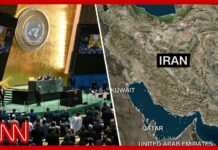
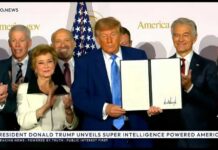
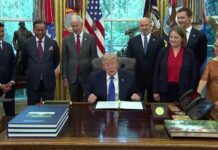
President Donald Trump’s vow to hit Iran’s power plants and bridges if it does not “make a deal” has pushed an already dangerous war into a new phase where millions of civilians, global energy markets, and American credibility are all on the line.
Story Snapshot
- Trump has openly tied strikes on Iranian power plants and bridges to hard deadlines for a new deal.
- U.S. and Israeli forces are already bombing targets in Iran while Tehran threatens tit-for-tat attacks on regional infrastructure.
- Human rights and legal experts warn that targeting civilian infrastructure could amount to war crimes.
- Both conservatives and liberals see another example of leaders gambling with ordinary people’s lives while power and profit stay protected.
Trump’s explicit threat: power plants and bridges for leverage
President Trump has repeatedly told Americans and the world that if Iran does not agree to his terms by set deadlines, the United States will expand its bombing campaign to include Iranian power plants and bridges. In a Fox News interview, he said, “Next week comes the power plants. Next week comes the bridges. We’re going to knock out all their power plants, we’re going to knock out all their bridges unless they get to the table and negotiate.” He has also posted on social media that the United States has a plan for the “complete demolition” of these sites by a specific hour.
These threats are not just offhand remarks. Reporting from outlets including National Public Radio and cable networks shows the same message over days and weeks: Iran must reopen the Strait of Hormuz, accept limits on its nuclear and military programs, and agree to end attacks, or face strikes on key infrastructure. Trump has framed this as tough bargaining. He argues that only overwhelming pressure will force Iran’s leaders to change course, claiming previous strikes have set their programs back for years.
Deadlines, delays, and a widening air war
Trump first issued a 48-hour ultimatum in March, warning that if Iran did not reopen the Strait of Hormuz, the United States would “obliterate” its power plants, starting with the biggest facility. As the deadline neared, he then announced a five-day pause in any strikes on energy infrastructure, saying there were “very good” talks underway and that he did not want to act while discussions continued. Iranian officials flatly denied any negotiations and accused Washington of spreading “fake news” to sway oil markets.
As the conflict dragged on, Trump set new deadlines. He declared that Iran had until 8 p.m. Eastern Time on a Tuesday to accept a deal that included reopening the strait, warning that otherwise the United States would hit bridges and power facilities. At the same time, U.S. and Israeli forces kept bombing other targets in Iran, including nuclear sites and military facilities, in what the president called a “massive and ongoing effort” to neutralize Tehran’s threat. This pattern of ultimatum, pause, and renewed threat has fueled doubts about whether the strategy is a steady plan or an improvised show of strength.
Iran’s tit-for-tat warnings and regional risk
Iran has answered Trump’s warnings with its own threats of tit-for-tat attacks on infrastructure across the Middle East. After Trump’s March ultimatum, Iranian commanders said that if the United States hit Iran’s power plants, they would target power stations in countries hosting U.S. bases and other energy and water facilities tied to American interests. Officials also warned they could shut the Strait of Hormuz completely and strike energy sites across the region, raising the risk of a much wider war.
State media and foreign outlets have since reported that Iranian missiles and drones have hit or threatened facilities in Gulf states, while U.S. forces have expanded strikes to more bridges inside Iran. For ordinary people in the region, this back-and-forth means fear of blackouts, water shortages, and economic collapse. Reports from inside Iran describe citizens “bracing” for attacks on power and transport links, worrying less about which leader “wins” and more about how they will keep the lights on and feed their families if infrastructure fails.
War-crimes alarms and the deeper question of who pays the price
Human rights groups and legal experts say Trump’s open threats to destroy power plants, bridges, and even desalination facilities cross a dangerous line. Amnesty International warned that promising the “complete demolition” of such civilian infrastructure could amount to a threat to commit war crimes under international law. Scholars interviewed by National Public Radio said that a plan to “obliterate civilian infrastructure on a large scale” blurs the line between military and civilian targets that the laws of war are supposed to protect.
🌍 Gulf Recap: Regional tensions rise amid Iran-US conflict
• An Iranian military source warns Tehran would target US-linked infrastructure across the region, including energy facilities, if Washington attacks Iranian infrastructure
• President Donald Trump says the… pic.twitter.com/bDQzpUb0im
— Anadolu English (@anadoluagency) July 22, 2026
Policy analysts also question whether this strategy even works on its own terms. A report from the Atlantic Council argues that attacking energy and water systems is “not a winning strategy,” warning that it risks uniting Iranians against the United States, deepening humanitarian suffering, and destabilizing global energy markets without forcing Tehran to surrender. That concern will sound familiar to many Americans. Conservatives who are tired of endless wars and liberals who fear human-rights abuses both see leaders again using regular people’s power bills, jobs, and safety as bargaining chips in a high-stakes game.
Sources:
insiderpaper.com, bbc.com, nytimes.com, pbs.org, congress.gov, forbes.com, en.wikipedia.org, theguardian.com, cnn.com, jpost.com, youtube.com, wsj.com, unh.edu, wgi.world, atlanticcouncil.org
© dailyvantage.com 2026. All rights reserved.