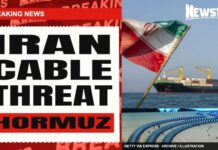
President Trump said the path to an Iran deal is simple: make peace soon or face crushing U.S. force — a stark choice he repeated in public remarks.
Story Snapshot
- Trump publicly tied an Iran deal to the threat of overwhelming U.S. military action.
- The White House paired rhetoric with visible military moves and economic pressure.
- Talks continued through intermediaries, but no major breakthrough was reported.
- Critics warned the approach risks stalemate and could undercut diplomacy.
Trump’s Deal-Or-Else Message to Iran
President Trump told reporters and television audiences that Iran now faces a binary choice. He said the United States will secure a deal soon, or it will “blow them up,” framing force as a live option alongside negotiations. At the United Nations, he described the end state as either a rebuilding deal for Iran or rapid destruction of the Islamic Republic if talks fail. The message was direct and public, leaving little doubt about his bargaining posture.
Trump linked this choice to an active process. He said talks were close, yet he also pledged decisive military action if Tehran did not move. This was not a one-off line. He repeated the same point in different venues, including network interviews and the United Nations stage. Supporters see deterrence. Opponents see escalation risk. Both sides agree he is using the threat of force to raise pressure now, not later.
Coercion Backed by Military and Economic Pressure
The administration matched the words with visible steps. Trump said a large naval force was ready to act and warned that prior strikes on Iranian targets showed U.S. reach. He pushed for economic isolation as another lever, urging countries to cut ties until Iran changed its behavior. The combined effect aimed to tighten choices for Tehran: make concessions at the table or face deeper pain at sea, in the air, and in its economy.
These signals fit a pattern of coercive diplomacy. Washington threatened force while leaving a door open to a deal. The goal was to raise the cost of delay for Iran without closing off talks. History shows this can work only if the threat is credible and goals are clear. That is the administration’s bet today. The risk, as past cases show, is that pressure hardens resolve instead of winning concessions.
Talks Continue, But Movement Is Limited
U.S. advisers held indirect talks with Iranian officials on the sidelines of major meetings. Reports said the meetings ran for hours, but both sides left without a major breakthrough. Trump still said the United States “holds all the cards,” pointing to military and economic tools. Iranian officials signaled they were open to diplomacy, yet not to one-sided steps. That gap defines the hard center of these talks.
Public reporting does not show a specific written plan that ties a strike to a step-by-step negotiating map. There is also no public legal memo laying out how limited force would fit within U.S. law. Those gaps do not mean such plans do not exist. They do mean the public record is heavy on speeches and light on documents, which limits outside scrutiny.
Why This Strategy Splits Opinion Across Parties
Critics, including some Republicans, say the threats and rapid timelines raise the risk of miscalculation. They argue the approach has “hit a wall” and could undercut the very diplomacy it aims to drive. Supporters counter that Iran responds only to strength and that soft pressure has failed for years. Both sides point to the same facts but draw different lessons about what will move Tehran now.
For many Americans, left and right, this episode taps a deeper worry. They see leaders speak in absolutes while everyday costs rise and wars drag on. They wonder who pays if threats turn into strikes. They also question whether the federal government shares the burden or protects insiders first. Those doubts grow when decisions are made behind closed doors and only the loudest lines reach the public.
What to Watch Next
Watch for a written framework that answers hard questions. Does a deal define limits on enrichment, missiles, and proxies, and when? Does the United States specify how force would be used, controlled, and ended if triggered? Clarity could lower the risk of a slide into a wider war. It could also test whether both sides are serious about a peaceful end state or only buying time.
Also track practical signals, not just speeches. Signs include reduced Iranian attacks, verified nuclear steps, and phased economic relief tied to compliance. On the U.S. side, signals include force posture changes, new sanctions, or concrete de-escalation steps that reward real moves. Results on these fronts will show if “deal or else” is producing security gains, or if it is another round of costs without clear returns.
Sources:
youtube.com, democrats.senate.gov, nbcnews.com, thehill.com, en.royanews.tv, iranintl.com, reuters.com
© dailyvantage.com 2026. All rights reserved.