President Trump said Iran could “take out” Los Angeles and San Diego as “a small price to pay,” turning a campaign line into a national security firestorm that touched a nerve on both coasts.
Story Highlights
- Trump named Los Angeles and San Diego while framing war costs as a “small price”.
- White House said he meant the U.S. is preventing Iran from gaining that ability.
- California leaders condemned the remarks as dangerous and callous.
- Public reports show no proof Iran can strike U.S. cities now, fueling debate.
What Trump Said And Why It Landed Hard
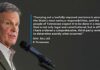
At a Nebraska rally, President Trump warned about Iran and said, “They can take out a city. Let them take out Los Angeles, let them take out San Diego,” calling it a “small price to pay” to keep America safe. The line came as he argued Iran must never get a nuclear weapon and must choose “the easy way or the hard way,” a theme he has used often in speeches on Iran. The quote spread fast, stripped into short clips that emphasized the “small price” phrase.
California officials reacted within hours. Governor Gavin Newsom and city leaders in Los Angeles and San Diego called the words reckless. San Diego Mayor Todd Gloria said his city is “not collateral damage” and “never a small price to pay,” pressing for an apology. Critics argued the wording treated two American cities as expendable. Supporters countered that the point was deterrence, not sacrifice. The speed of the backlash hardened partisan lines on a sensitive security topic.
How The White House Framed The Message
The White House said media coverage twisted Trump’s point. A communications post argued he was warning that, if Iran got nuclear arms, American cities would be at risk, and that his policy aims to stop that outcome. Aides said the reaction was a “media freakout,” insisting Trump did not call for attacks on U.S. soil. That defense aligns with prior Trump statements that Iran “cannot have a nuclear weapon,” which he frames as the core red line guiding current policy.
The clarification did not end the dispute. The original quote remained vivid and easy to share. Opponents said intention matters less than the message heard by voters in those cities. Supporters said critics ignored the deterrence context. This gap reflects a broader pattern in war talk: tough lines meant to scare an adversary can scare Americans too. When leaders speak in absolutes, the public often hears risk to their own homes instead of strategy.
What We Know And What We Do Not
Public reporting does not show declassified evidence that Iran can hit California with missiles today. The Los Angeles Times said it is “far from clear” that Iran has such reach, undercutting literal readings of the scenario. Trump did not cite intelligence or documents in the rally. That leaves the claim in the realm of warning, not a proven, near-term threat. The lack of visible proof invites both fear and doubt, and it shifts debate to tone and judgment rather than capability.
Los Angeles and San Diego are real strategic targets if a major war widened. Both areas support major Navy and Air Force assets, including Naval Base San Diego and facilities around Los Angeles that connect to national defense. That fact adds weight to any mention of these cities in a nuclear context. It also explains why residents and officials reacted so strongly. People heard not only politics but a direct reference to places where millions live and work under the flag.
Why This Hits A Deeper Nerve
Americans across parties worry that the federal government talks tough but protects the few, not the many. When a president uses phrases like “small price,” many hear elites gambling with someone else’s city. Conservatives distrust costly wars and broken promises on border, crime, and inflation. Liberals fear callousness toward civilians and a widening gap between leaders and everyday people. Both sides see messages that sound like decisions made far from real lives and local stakes.
President Donald Trump drew widespread attention after remarks at a Nebraska campaign rally in which he said, “Let them take out Los Angeles. Let them take out San Diego,” while discussing the war with Iran and its economic costs. California leaders quickly condemned the… pic.twitter.com/s8R9sjcvkh
— Christian Daily (@ChristDailyUSA) October 6, 2026
Threat language can also crowd out real oversight. If Iran’s long-range reach is uncertain in public records, citizens deserve clearer answers and declassified basics. Congress can request assessments on missile, drone, and proxy capabilities. The administration can share more without giving away sources. Calm, plain facts help deter enemies and steady allies. They also lower the temperature at home. In a loud moment, transparency is the best tool to protect both safety and trust.
Sources:
nbclosangeles.com, bbc.com, abcnews.com, latimes.com, kcra.com
© dailyvantage.com 2026. All rights reserved.