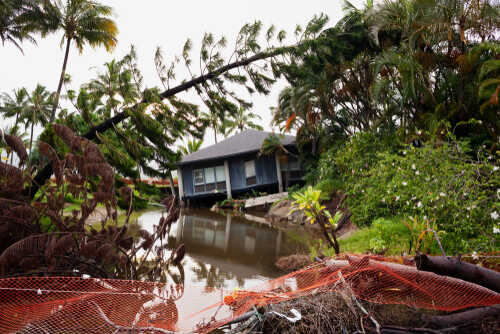
(DailyVantage.com) – Hurricane Melissa has carved a path of unprecedented destruction through the Caribbean, becoming Jamaica’s strongest storm on record while claiming at least 25 lives in Haiti and leaving entire communities obliterated across four nations.
Story Snapshot
- At least 25 confirmed dead in Haiti with toll expected to rise as rescue operations continue
- Hurricane Melissa generated sustained winds exceeding 185 mph, making it Jamaica’s strongest storm on record
- Over 25,000 Jamaicans sheltered while 25,000 tourists remain stranded on the island
- Widespread destruction reported across Jamaica, Haiti, Cuba, and the Bahamas with entire neighborhoods destroyed
- International aid agencies mobilizing urgent relief efforts despite limited access to affected areas
Nature’s Most Violent Display Leaves Caribbean Nations Reeling
Hurricane Melissa’s rampage through the Caribbean between October 28-30, 2025, represents a meteorological nightmare that experts are linking to broader climate change trends. The storm’s rapid intensification and sustained winds exceeding 185 mph created a perfect storm of destruction that overwhelmed even the most prepared communities. What makes this disaster particularly devastating is not just its raw power, but its methodical destruction of multiple nations already struggling with political instability and economic challenges.
The timing couldn’t have been worse for Haiti, a nation still recovering from previous hurricanes and the catastrophic 2010 earthquake that killed over 200,000 people. Hurricane Matthew in 2016 claimed over 500 lives, demonstrating Haiti’s particular vulnerability to these natural disasters due to its mountainous terrain, widespread deforestation, and fragile infrastructure that crumbles under nature’s assault.
Death Toll Mounts as Rescue Operations Face Overwhelming Challenges
Search and rescue teams across Haiti face a grim reality as they work through debris fields that were once thriving communities. The confirmed death toll of 25 represents only what rescue workers have been able to verify, with officials warning that remote areas remain inaccessible due to flooding and infrastructure collapse. The mountainous terrain that defines much of Haiti has become a liability, channeling floodwaters into deadly torrents while making rescue operations nearly impossible in some regions.
International aid agencies, including the Red Cross, United Nations, and Médecins Sans Frontières, are mobilizing resources but face logistical nightmares in reaching affected populations. The destruction extends far beyond Haiti’s borders, with Jamaica bearing witness to its strongest recorded storm and Cuba dealing with widespread infrastructure damage. The Bahamas, despite being more accustomed to hurricane impacts, still reported significant destruction across multiple islands.
Infrastructure Collapse Exposes Regional Vulnerabilities
The scale of destruction reveals uncomfortable truths about Caribbean preparedness for increasingly violent storms. Haiti’s population density in flood-prone areas, combined with inadequate emergency services, created conditions where a natural disaster became a humanitarian catastrophe. The country’s ongoing political instability and economic challenges had already weakened disaster preparedness systems, leaving communities essentially defenseless against Melissa’s assault.
Jamaica’s experience, despite better infrastructure and preparation, shows how even developed Caribbean nations struggle against storms of this magnitude. With 25,000 residents in shelters and an equal number of tourists stranded, the island’s tourism-dependent economy faces immediate and long-term consequences. The destruction of agricultural areas threatens food security across the region, while damaged ports and airports complicate relief efforts and economic recovery.
Climate Change Reality Demands Urgent Regional Response
Meteorologists are drawing clear connections between Hurricane Melissa’s unprecedented intensity and broader climate change patterns affecting the Atlantic hurricane season. The 2025 season has been notably active, with Melissa representing the most destructive storm yet in a year that has already tested regional resilience. The rapid intensification that characterized Melissa fits concerning trends that make hurricane prediction and preparation increasingly difficult.
The intersection of environmental vulnerability and socio-political instability, particularly evident in Haiti, amplifies disaster impacts beyond what weather alone could cause. Public health experts are already warning about risks of waterborne diseases and mental health crises in the aftermath, complications that could extend the human toll far beyond the immediate storm damage. The economic setbacks will likely increase poverty levels and create conditions for potential political instability across the region.
Copyright 2025, DailyVantage.com