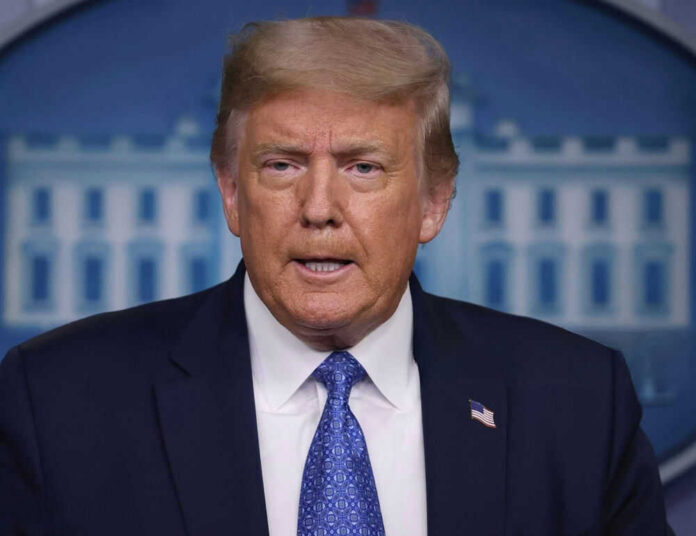
(DailyVantage.com) – With the Iran ceasefire set to expire within days, President Trump is signaling that the next move could shift from diplomacy to targeted strikes and a tighter chokehold on global energy routes.
Quick Take
- The two-week U.S.-Iran ceasefire announced April 7 is set to expire Wednesday, April 22, with no clear deal in place.
- Trump has publicly warned that if talks fail, bombing could resume and the Strait of Hormuz blockade will remain until an agreement is reached.
- A major analysis laid out four U.S. options: hit Iran’s Kharg Island oil export hub, strike power plants, target missile networks, or expand the naval blockade.
- Mediators have pushed a phased 45-day ceasefire proposal, but progress is unclear and Iran’s participation in talks has been uncertain.
Ceasefire Clock Hits Wednesday as Trump Signals “No Extension”
President Donald Trump has set the current U.S.-Iran ceasefire to expire Wednesday evening, Washington time, after earlier public confusion about whether the deadline was Tuesday. In multiple comments reported across major outlets, Trump indicated he is unlikely to extend the pause without a deal and warned that “lots of bombs” could resume if negotiations fail. The administration has also tied any easing of pressure to concrete concessions, not promises.
The deadline matters because the ceasefire has functioned as the only real guardrail in an already volatile eighth week of hostilities. Negotiations have been centered in Islamabad, Pakistan, with Vice President JD Vance leading the U.S. side. Mediators have reportedly floated a two-phase, 45-day approach—first to create negotiating space, then to lock in a permanent end. Public reporting, however, has described major unresolved gaps, including nuclear issues, sanctions, and maritime access.
The Four Military Options Being Discussed—and Why They’re Different
A detailed analysis circulating in U.S. defense-policy media framed Trump’s next steps as calibrated escalation rather than an invasion plan. The options named were specific: strikes on Kharg Island, Iran’s key oil export terminal; attacks on Iranian power plants to degrade state capacity; operations against missile networks to reduce retaliatory reach; or an expanded naval blockade in and around the Strait of Hormuz. Each option aims to impose leverage quickly while limiting U.S. exposure on the ground.
Kharg Island stands out because it connects directly to Iran’s ability to earn hard currency from oil exports. Power-plant strikes, by contrast, would pressure the regime through infrastructure disruption, but they also carry higher risks for civilian hardship and international backlash. Missile network targeting is more conventionally “military,” focusing on capabilities rather than broad economic pain. Expanding the blockade would be a sustained pressure campaign, but it raises the stakes for global shipping and energy prices.
Hormuz Blockade, Energy Markets, and the Price Americans Pay
The Strait of Hormuz remains the strategic pressure point because it is a major artery for global oil flows. Reporting tied the blockade to the administration’s negotiating posture: the U.S. position has been that the strait stays closed until a deal is reached. That approach aligns with a broader trend in Trump’s second term—using economic leverage and choke points to force adversaries to choose between concessions and isolation, rather than relying on open-ended nation-building.
For Americans, the economic stakes aren’t abstract. Any sustained disruption around Hormuz can ripple into global crude pricing, shipping insurance costs, and inflation-sensitive consumer prices. That’s one reason this episode cuts across partisan lines: conservatives distrust foreign entanglements and domestic price shocks, while many liberals fear escalation and humanitarian consequences. Either way, a key reality is that Washington’s choices can land directly on household budgets—often faster than voters expect.
Unverified Incidents, Mixed Signals, and a Familiar Trust Problem
Trump also cited an alleged ceasefire violation in the Strait of Hormuz, describing Iranian “bullets” fired in the waterway and warning consequences if a deal is not reached. Public reporting has not established independent confirmation of that specific incident, which is important because modern crises often turn on disputed claims and rapid messaging. Confusion around the exact expiration timing—Tuesday versus Wednesday—also showed how quickly expectations can shift even within official statements.
Iran Ceasefire Expires in 48 Hours. President Trump Has Four Military Options: Kharg Island, Iranian Power Plants, Missile Network Strikes, or Expanded Naval Blockadehttps://t.co/YI8RnI2dtB
— 19FortyFive (@19_forty_five) April 20, 2026
Politically, the moment reinforces why so many Americans—right, left, and center—feel the federal government is always operating in emergency mode, with ordinary people absorbing the downstream costs. Republicans may argue that credible force and economic pressure are the only tools Iran respects. Democrats are likely to frame the posture as reckless. What’s clear from the available reporting is that the administration is preparing for a sharp pivot if negotiations in Islamabad don’t produce verifiable, enforceable terms.
Sources:
Trump messaging Iran after he said Tehran agreed to “everything”
Iran war: U.S., Tehran in ceasefire talks
Uncertainty over U.S.-Iran peace talks as fragile ceasefire set to expire this week
Copyright 2026, DailyVantage.com