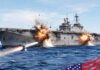
President Trump warned of “unprecedented” economic consequences for any nation that helps Iran, signaling a hard squeeze through money, not missiles.
Story Highlights
- Trump is shifting from new military strikes to maximum economic pressure on Iran.
- Treasury plans measures “never seen” before, with rollouts expected quickly.
- The campaign builds on years of sanctions and a naval blockade of Iran’s oil exports.
- Experts say sanctions hit economies hard but often miss political goals.
White House Signals Economic Pressure Over New Strikes
President Trump said the United States is “low-keying it” with Iran and letting financial pain mount, after months of strikes and sanctions. He described Iran’s economy as weak, with soaring inflation and little access to money, and suggested time is on Washington’s side. The approach marks a clear preference for economic tools over fresh military action. It also gives the administration room to escalate later if needed, while claiming a steady hand today.
Treasury Secretary Scott Bessent previewed measures “never seen” before, and outside analysts expect new steps as soon as this week. Options under review include tighter oil export enforcement, heavier pressure on foreign banks and shippers, and more sanctions on front companies. Officials have also targeted digital asset exchanges linked to Iran’s networks, seeking to choke newer paths for funds that can bypass banks. Together, these tools aim to cut Tehran’s earnings and raise the costs of any evasion.
Building on a Long Sanctions Playbook
The current push extends a long campaign that has used sanctions and interdictions to curb Iran’s revenue and reach. In recent months, reporting describes a United States naval blockade that restricts Iran’s oil flows, mirroring earlier efforts to throttle exports. The Department of the Treasury has run Iran-focused actions for decades and, in 2018, described a “maximum financial pressure” drive after re-imposing broad sanctions once lifted under the nuclear deal. Each turn of the screw narrows Iran’s options and deters third parties from doing business.
The administration’s warning to other countries carries the next twist: help Iran and face “unprecedented” economic fallout. That message targets key buyers of Iranian oil and the banks and insurers that touch those shipments. It also aims at logistics hubs and refiners that might hide cargo origins. Washington’s leverage comes from the size of the United States market and the reach of the United States dollar. Firms that want access to the dollar system must weigh Iran deals against losing United States ties.
What History Suggests About Sanctions’ Punch
Research shows sanctions can strain an economy through inflation spikes, weaker output, currency shocks, and lost trade. Iran has felt these effects before, as oil sales dropped and costs rose. Yet studies also find that sanctions often fall short of the political outcomes leaders seek, especially after the first years of pressure. In short, sanctions bite early and hard, but regimes adapt. Networks evolve, smuggling improves, and alternative buyers step in, even at a discount.
For United States leaders, an economic strategy has clear appeal. It looks tough, avoids more combat deaths and costs, and keeps options open. It can also rally allies without asking them to send troops. The risk is that long pressure hardens the opponent and spreads pain to everyday people while leaders hold on. That gap between economic pain and political change drives debate over how long to push and what a realistic endgame looks like.
Why This Matters at Home
Americans on both the right and left worry that Washington’s big moves overseas often miss their stated goals and create blowback. Higher oil prices, disrupted shipping, or new black markets can ripple into the cost of gas, food, and goods here at home. Families already squeezed by inflation and debt feel each price jump. Voters also resent when global rules seem to bend for the powerful while working people shoulder the bill. This policy test sits inside those wider concerns.
🇺🇸BREAKING: Trump Announces “Economic D-Day” on Iran
“I am announcing the MOST CRUSHING ECONOMIC OPERATION EVER TAKEN AGAINST ANY COUNTRY! This will be Economic Warfare and Isolation on an unprecedented scale.”
“I am also announcing that ANY country that allows its financial… pic.twitter.com/QcmVhkksXD
— And We Know©🇺🇸 (@andweknow) August 20, 2026
Supporters of a maximum squeeze argue that strict enforcement now can shorten the fight and avoid a larger war. Critics say a sanctions-first habit can drift without a clear finish line, hurting civilians and pushing rivals together. Both sides agree on one point: the government must set clear goals, explain the costs, protect Americans from price shocks, and measure results. If new “unseen” steps arrive this week, the proof will be in whether they move Tehran and safeguard United States interests at a fair cost.
Sources:
redstate.com, aljazeera.com, cnn.com, reuters.com, cnbc.com, fortune.com, npr.org, finance.yahoo.com, state.gov, bloomberg.com, wsj.com
© dailyvantage.com 2026. All rights reserved.