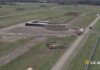
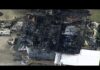
To stop a possible blast on its own, the U.S. Army blew up about five tons of unstable lead azide at the Iowa Army Ammunition Plant.
Story Snapshot
- The Army said the explosive had degraded and could detonate without warning, so it destroyed it in place.
- The Environmental Protection Agency issued an emergency permit allowing storage and treatment by detonation.
- Officials warned people and set safety steps to limit airborne lead during and after the blast.
- The action reflects a rare, last-resort method used when moving explosives is judged too risky.
What The Army Did And Why It Mattered
Army leaders said the material had become unstable after years in storage at the Iowa Army Ammunition Plant in Middletown. They described it as degraded and crystallized lead azide that could explode from small shocks. They announced a controlled, “mitigated” detonation to remove the threat of a sudden blast. The public notice set the operation for a Wednesday morning and framed it as a protective step for nearby communities and workers at the plant.
The U.S. Environmental Protection Agency issued an emergency hazardous waste permit to allow storage and treatment of the lead azide by detonation at the site. The permit cited an “imminent and substantial endangerment” standard. That finding gave legal cover for the Army’s plan and outlined conditions for handling and disposal. It is a formal step that federal regulators reserve for situations where usual waste rules do not address urgent safety risks.
Safety Measures And Public Health Guidance
State health officials told residents how to reduce exposure risks on the day of the blast. Guidance covered staying indoors during the operation, shutting windows, and avoiding nearby outdoor activity until after air sampling. Officials coordinated with the Army and other agencies and shared maps and protective zones. These steps aimed to limit any dust that could travel off site and to reassure families about what to do before and after the detonation.
Neighboring states also tracked the plan and summarized the Army’s reasoning. Missouri’s environmental department told the public the Army judged the material too sensitive to move. That agency relayed that on-site destruction was chosen after concluding handling or transport could trigger a blast. These notices helped communities downwind understand timing, expected noise and smoke, and how agencies would watch for any spread of contamination.
How This Fits A Bigger Pattern Of Risk Decisions
Emergency demolition of unstable explosives is unusual but not new. Federal practice allows quick action when a blast risk cannot be reduced by ordinary methods. The Resource Conservation and Recovery Act provides emergency tools for explosives that pose an immediate threat. In such cases, regulators can allow open detonation with controls, rather than require slow, standard treatment paths that may not be safe to attempt.
ARMY COMPLETES DETONATION OF LEAD AZIDE WITH NO AIRBORNE LEAD DETECTED
The US Army conducted a controlled detonation of roughly 5 tons of crystallized lead azide at the Iowa Army Ammunition Plant in Iowa Wednesday. One hour after the blast, EPA real-time air monitors reported… pic.twitter.com/XyOAxeGarg
— Underground USA (@Underground_USA) November 25, 2026
The Army’s environmental review materials described how it weighed options and why an in-place blast was chosen. The review set criteria for safety, environmental impact, speed, and feasibility. It concluded the plant’s permitted open detonation unit and added controls could best reduce overall risk. That finding aligned with the public message that waiting longer raised the chance of an accidental explosion, which would be harder to contain and could cause more harm.
What Residents Saw, And What Comes Next
People near Middletown saw large smoke plumes and heard loud explosions during the scheduled window. The Army had prepared the site, stacked layers to capture debris, and set up air monitoring. Officials said they would continue sampling and share results with state health and environmental teams. The goal is to confirm whether lead stayed within the safety plans, guide any cleanup, and decide when to lift temporary precautions for outdoor activity in nearby areas.
Why This Touched A Nerve Across The Spectrum
Many Americans worry that the government makes high-stakes choices without clear accountability. This event hit those nerves. Some fear contamination and demand tighter oversight. Others see years of storage and delay as proof that agencies let problems fester until only hard choices remain. Here, the Army and the Environmental Protection Agency acted under emergency rules, explained the danger, and used monitoring to check their work. Communities will judge that response by transparent data and steady follow-up.
Sources:
facebook.com, army.mil, apnews.com, ecf.ca8.uscourts.gov, hhs.iowa.gov, epa.gov, d34w7g4gy10iej.cloudfront.net
© dailyvantage.com 2026. All rights reserved.