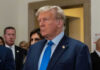
Federal prosecutors say a sitting Massachusetts mayor steered over $1.5 million in pandemic relief loans into personal taxes, mortgages, and his campaign account, exposing how easy money and weak controls invited abuse during the crisis.
Story Highlights
- Prosecutors charged Lawrence Mayor Brian DePeña with wire fraud and money laundering tied to COVID-era loans.
- The complaint claims loan funds paid personal taxes, hard-money mortgages, and a campaign account.
- Agents arrested DePeña in Massachusetts; he appeared in federal court the same day.
- Federal watchdogs estimate pandemic programs sent out massive sums to potentially fraudulent recipients.
Prosecutors Detail Alleged Misuse of Pandemic Relief
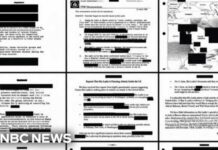
Federal prosecutors charged Lawrence Mayor Brian DePeña with wire fraud and money laundering after an investigation into pandemic relief lending. The U.S. Attorney’s Office said DePeña obtained over $1.5 million in small-business disaster loans, then used the money to pay personal taxes, service high-interest mortgages, and move funds into his campaign account. The charging documents describe transfers that, if proven, fall outside allowed uses for these loans. An affidavit from investigators supports the complaint and outlines the transactions.
Agents arrested DePeña at his home, and he appeared in federal court in Boston later that day on the felony charges. The filing lists counts for wire fraud and money laundering, which carry significant prison exposure if convicted. Prosecutors allege some conduct began before he became mayor, then continued after he took office. Court proceedings will decide whether the government’s evidence supports the charges. DePeña is presumed innocent unless a jury finds him guilty or he enters a plea.
The Loans at the Center of the Case
The case focuses on loans from pandemic-era programs designed to keep businesses alive. Under the rules, borrowers had to use funds for legitimate business needs. Prosecutors say DePeña diverted large amounts to nonbusiness uses, including more than eight hundred eighty thousand dollars to pay down hard-money mortgages. The complaint and supporting affidavit describe the flow of funds across accounts and the timing of payments. If accurate, those patterns match many other pandemic loan fraud cases tracked by federal agents.
News footage and court reporting show federal agents executing the arrest and media covering the first court appearance. Video segments summarize the core claims and the dollar amounts tied to the complaint. Local and national outlets reported the same key facts: the arrest, the alleged misuse of about one and a half million dollars, and the charges listed in federal court filings. The consistent details across official statements and court documents form the backbone of the public record on the case.
Why This Case Resonates Beyond One City
This arrest lands in the middle of a broader cleanup effort after fast pandemic spending. The Office of Inspector General for the Small Business Administration estimated that more than two hundred billion dollars in loans tied to pandemic programs were potentially fraudulent. That figure reflects weak front-end checks and rushed approvals during the emergency. Federal agencies now run data analytics, audits, and criminal probes to claw back funds and prosecute the most serious schemes.
Further proof that DEI is a bust.
Lawrence City Council meets tonight for the first time since Mayor Brian DePeña’s arrest.
The two-term Democratic mayor of Lawrence, MA is still in office and refuses to resign after being charged with wire fraud and money laundering.… pic.twitter.com/fl4Qb95ygT
— Michael R. Herron Esq. (@MHerronLaw) August 18, 2026
People across the political spectrum see a pattern: well-connected players often work the system while everyday families face rising costs and tighter rules. This case speaks to that fear. If a sitting mayor wrongly used relief dollars, that would confirm concerns about elites gaming taxpayer programs. If the court clears him, it still shows how poor guardrails fueled distrust. Either way, strong screening and fast, transparent enforcement are needed to rebuild faith in basic fairness.
Sources:
washingtontimes.com, justice.gov, youtube.com, facebook.com, instagram.com
© dailyvantage.com 2026. All rights reserved.