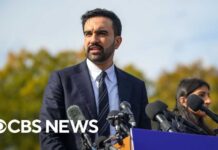
The Nobel Committee’s decision to honor Navi Pillay spotlights a global elite’s bet that peace flows from courts and committees, not from governments delivering results at home.
Story Snapshot
- The Norwegian Nobel Committee awarded Navi Pillay the 2026 Peace Prize “for her efforts to promote peace and international law.”
- The Committee credits her with helping ensure prosecution of war crimes, crimes against humanity, and genocide.
- Coverage by major outlets echoes the Committee’s rationale and highlights her United Nations leadership record.
- The award revives a core debate: can global legal action drive real peace on the ground?
What Happened: A Prize For International Law And Accountability
The Norwegian Nobel Committee awarded the 2026 Nobel Peace Prize to Navanethem “Navi” Pillay, a South African jurist and former United Nations human rights chief. The Committee said it chose her “for her efforts to promote peace and international law.” The announcement placed legal accountability at the center of peacemaking. It linked her career to prosecution of atrocity crimes through international courts and tribunals, framing law as a path toward a safer world.
Committee materials describe Pillay’s work as “instrumental” in ensuring that war crimes, crimes against humanity, and genocide are prosecuted. That framing presents a clear theory: when brutal acts face legal consequences, leaders think twice before choosing violence. It also signals support for a stronger international legal order. This is a long running theme in Oslo’s selections, and it reflects faith in rules, due process, and institutions that reach across borders to restrain abuse.
Who She Is: A Career Built Inside Global Institutions
Pillay’s career spans national courts, global tribunals, and top roles inside the United Nations. She served as United Nations High Commissioner for Human Rights, where she pushed states to uphold treaties and protect civilians. She also worked as a judge, including on international courts tied to conflict and mass crimes. News outlets reported the award as recognition of decades spent advancing human rights law and its enforcement through formal bodies and careful casework.
Supporters see a record that blends courtroom rigor with survivor focus. They point to steady work that built case files, preserved evidence, and pressed governments to cooperate. The Committee’s message rewards that persistence. It suggests that lasting peace needs more than deals among politicians. It needs institutions that hold abusers to account. That lens fits a broader push to make international law bite, not just bark, when leaders or militias target civilians in war zones or use mass detention and torture.
Why It Matters In 2026: Law, Peace, And Public Trust
This award lands in a tense political moment. Many Americans on the right and the left doubt that distant institutions help them. People see rising costs, unsafe streets, and broken systems at home. They hear about courts in The Hague while their town fights fentanyl or job loss. That gap feeds anger at elites who hold power but seem far away. The Committee’s choice speaks to global ideals. The public’s question is simpler: does any of this make life safer or fairer where they live?
Backers argue that when mass crimes face consequences, cycles of revenge ease and conflicts cool. They say law makes peace more than a truce. Critics ask for proof that trials change behavior fast enough to save lives. They want results they can measure in fewer raids, fewer rockets, and fewer funerals. The research provided does not compare Pillay’s impact to other nominees or track conflict outcomes tied to her work, so those cause-and-effect claims remain broad in public coverage.
The Bigger Debate: Prizes, Politics, And Power
The Peace Prize often doubles as a signal about the world order the Committee prefers. This year, the signal favors international courts and human rights machinery. That choice will cheer many who seek justice for victims. It will frustrate others who view global bodies as slow, selective, or political. The deeper shared concern is not left or right. It is the sense that powerful networks make big calls while regular people face daily strain with little voice or relief.
Trump fumes at ‘stain’ on Norway after missing out on Nobel Peace Prize⁰The president described the decision to award the Nobel Peace Prize to Navi Pillay as “disgraceful and embarrassing” and said he would “not forget.”https://t.co/VRFxHrnrZU
— Linda Hill (@bulldoghill) October 10, 2026
For readers tracking American politics, the award arrives as Washington argues over borders, crime, debt, and wars abroad. President Trump leads an administration that stresses sovereignty and hard power. Many Democrats decry inequality and demand stronger civil rights at home. Both sides, in large numbers, doubt that far-off councils solve urgent problems on Main Street. This prize will not settle that debate. It does, however, underline a choice: build peace mainly through law, or through deals, force, and local fixes.
Sources:
youtube.com, nobelpeaceprize.org, un.org
© dailyvantage.com 2026. All rights reserved.