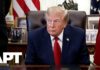
President Trump said he banned CNN from the White House over “fake news,” and CNN called it an illegal assault on press rights.
Story Snapshot
- Trump announced a White House ban on CNN tied to its coverage.
- CNN said the move violates constitutional protections for reporting.
- Reports say CNN previously held regular White House access.
- How the ban will be enforced remains unclear in public records.
What Triggered The Clash Between Trump And CNN
On September 18, 2026, President Trump posted that he was “banning” CNN from the White House “effective immediately.” He linked the move to what he called “constant ‘reporting’ FAKE NEWS.” Later that day, he told reporters the outlets were banned “because they’re fake news.” His words tied access to content, not security or logistics. That framing set up an instant First Amendment fight over viewpoint discrimination claims.
CNN answered with a public statement. The network said it stands by its reporters and has a right under the United States Constitution to report without government interference. CNN warned that if the ban went ahead, it would be an “illegal assault” on a fundamental, protected right. These statements framed the dispute as a direct test of press freedom at the White House, not a routine credential matter.
What We Know About Access And What Is Still Unclear
Major outlets reported that CNN previously held passes for White House grounds, workspaces, and events, including Oval Office sprays and press briefings. That history matters, because courts treat broadly opened press spaces differently from invitation-only settings. However, early reports also said the exact consequences of Trump’s announcement were unclear. The record did not show a formal directive or detail how staff or the Secret Service would enforce the ban at gates.
The gap between the announcement and enforcement left key facts unsettled. Reports did not include a written order, credential policy change, or a court ruling on this ban. That means the legality question remains asserted, not adjudicated, in the provided sources. The White House’s statements focused on “fake news,” while public records did not clarify whether badges were deactivated or access was physically denied at that time.
How The Law And Past Fights Shape The Stakes
Federal courts have said the government cannot kick out reporters from generally opened press spaces because of their views. When officials open access to a broad press group, they must use viewpoint-neutral and reasonable rules. Some rulings give the White House more choice for limited, invitation-style events. But when leaders link bans to coverage, they raise red flags about retaliation for speech, which can violate the First Amendment in opened press areas.
Trump’s language tied the ban to CNN’s reporting, not to conduct rules or security needs. That rhetoric fuels claims of viewpoint discrimination. For many Americans on the right and left, this lands in a larger fear: powerful people use government levers to reward friends and punish critics. Past fights over press access taught a simple rule of thumb: if the door is open to many, it cannot be slammed on one outlet for its point of view without serious legal risk.
Why This Matters Beyond The Beltway
Both conservatives and liberals distrust how Washington wields power. Conservatives see years of bias and spin by national media. Liberals see government punishing watchdogs who ask hard questions. This episode speaks to both concerns. If a president can bar an outlet for tough coverage, future leaders can do it too. If a network can never lose access, even after bad calls, accountability also suffers. Clear, neutral rules protect the public’s right to know.
TRUMP BARS CNN, MS NOW AND POLITICO FROM WHITE HOUSE
Legal experts are weighing in on President Trump banning CNN, MS NOW and Politico from the White House, after several reporters showed up for work there, only to find that their access badges had been disabled. Erwin…
— Worldwide News Network (@WorldwideNNX) September 20, 2026
Next steps will shape the outcome. A written policy or court case could settle what spaces are covered and what standards apply. Transparent criteria, applied evenly, would curb claims of favoritism and retaliation. Until then, the mix of sharp rhetoric and unclear enforcement invites more mistrust. The country needs a press that can question leaders, and leaders confident enough to face those questions, even when coverage stings.
Sources:
twitchy.com, bbc.com, cnn.com, nytimes.com, cbc.ca
© dailyvantage.com 2026. All rights reserved.