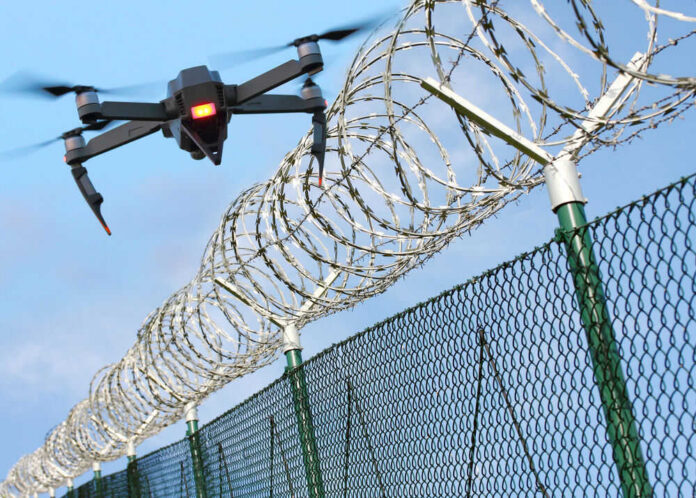
(DailyVantage.com) – Iran’s Revolutionary Guard Corps brazenly attacked an oil tanker with drones in the Strait of Hormuz—a critical chokepoint handling 20% of the world’s oil supply—escalating a dangerous conflict that threatens global energy security and American economic interests.
Story Snapshot
- IRGC struck the Palau-flagged tanker with two drones, causing fire and injuries to crew members including 15 Indians
- Attack follows US-Israel strikes on Iran that reportedly killed Supreme Leader Ayatollah Khamenei, triggering Iranian retaliation
- Shipping giants halt Gulf transits as Iran effectively weaponizes the strait, risking oil price spikes and global supply disruption
- Targeted vessel linked to US-sanctioned “shadow fleet” used for Iranian oil smuggling, exposing sanctions evasion networks
IRGC Drone Strike Creates Maritime Crisis
Iran’s Islamic Revolutionary Guard Corps launched two unmanned aerial vehicles at the oil tanker Athena Nova on March 1, 2026, near Oman’s coast in the Strait of Hormuz. The IRGC publicly claimed responsibility on March 2, stating the vessel attempted an “illegal” transit through waters they now control. The attack set the tanker ablaze and forced evacuation of its 20-person crew by Omani authorities, with at least four crew members sustaining injuries. This marks the first confirmed tanker strike following weekend US-Israel offensive operations against Iran.
The targeted vessel, operating under Palau’s flag with IMO number 9330020, has faced US Treasury sanctions for participation in Iran’s shadow fleet operations designed to evade international restrictions. The crew composition of 15 Indian nationals and 5 Iranians highlights the complex international maritime relationships at stake. India activated consular assistance protocols for its affected citizens while condemning the attack. The IRGC’s willingness to strike a vessel with Iranian crew members aboard demonstrates the regime’s ruthless determination to assert control over this vital waterway.
Strategic Chokepoint Becomes War Zone
The Strait of Hormuz serves as the world’s most critical oil transit route, channeling approximately 20 million barrels daily—roughly one-fifth of global petroleum supply—plus substantial liquefied natural gas from Qatar and the United Arab Emirates. Iran has repeatedly threatened to close this narrow passage during previous conflicts, with precedents including the 2019 tanker attacks amid escalating US sanctions. The strait’s geographic position between Iran and Oman creates natural leverage for Tehran to project power and threaten Western energy security when facing military pressure.
Following the weekend US-Israel strikes that targeted high-ranking Iranian officials, the IRGC issued radio warnings barring vessels from entering the strait and launched retaliatory drone and missile barrages against Israeli and American assets throughout the region. While no formal maritime closure notification occurred through official channels, shipping companies report electronic interference, direct threats, and what maritime security experts describe as de facto closure through intimidation. The UK Maritime Trade Operations office confirmed additional vessel strikes by unknown projectiles off Oman, indicating a broader pattern of Iranian aggression beyond the publicized tanker attack.
Economic Fallout and Energy Security Concerns
Major shipping corporations immediately suspended Gulf transits following the attack, with traffic through the strait dropping sharply as vessel operators calculated risks against potential catastrophic losses. Insurance companies pulled coverage for strait passages, forcing tanker owners to either accept enormous financial exposure or reroute around Africa—adding weeks to delivery times and substantially increasing transportation costs. These disruptions create immediate upward pressure on global oil prices, with long-term implications potentially triggering energy crises across Asian and European markets dependent on Persian Gulf supplies.
The attack exposes vulnerabilities created by years of failed diplomatic approaches toward Iran’s aggressive regional behavior. Conservative security analysts have long warned that insufficient deterrence and misguided nuclear negotiations emboldened Tehran’s military adventurism. The IRGC’s public ownership of this attack—unlike previous anonymous operations—signals dangerous escalation confidence following leadership transitions after Khamenei’s reported death. American energy independence remains crucial as this conflict demonstrates how Middle Eastern instability can rapidly threaten economic stability through supply chain disruption and price volatility affecting everything from gasoline to heating costs for hardworking American families.
Sources:
Iran’s Revolutionary Guards claim drone attack on oil tanker in Strait of Hormuz – Times of Israel
Fight with Iran has spread to oil tankers and vessels in the Strait of Hormuz – Business Insider
First oil tanker attacked in the Strait of Hormuz according to Oman – Euronews