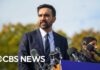
Senator Jim Banks moved to lock Trump-era immigration policies into law with seven bills that would tighten hiring rules, detention, visas, and citizenship.
Story Snapshot
- Banks’ package seeks to mandate work eligibility checks, end catch-and-release, and curb birthright citizenship.
- One bill, the Dalilah Law, would block and revoke commercial trucking licenses for people in the country illegally.
- Democrats Angela Alsobrooks and Ritchie Torres countered with a bill to stop banks from gathering customers’ immigration data.
- Studies on employer checks show mixed job impacts for native workers and declines for likely unauthorized workers.
What Banks Proposed And Why It Matters
Senator Jim Banks of Indiana unveiled a seven-bill push to harden immigration enforcement and make key Trump policies more durable. His office says the plan would require every employer to verify that new hires can work legally, keep people in detention rather than release them while cases are pending, and ban birth tourism. He also filed a Citizenship Act of 2026 to restrict birthright citizenship for children of people here illegally or visiting to give birth, inviting an immediate constitutional fight.
Banks tied the package to border security, jobs, and public safety, matching goals President Trump has urged during his second term. A media page lists a Border Security is National Security Act that would send defense funds to support border operations and Department of Homeland Security missions. Supporters argue that codifying these steps now would guard against future rollbacks and end policy whiplash. The practical stakes are large for employers, state agencies, and families if the bills advance.
The Dalilah Law And State Licensing Rules
Another bill in the set, called the Dalilah Law, would stop states from granting commercial driver’s licenses to people in the country illegally and revoke any trucking licenses already issued to them, according to Banks’ comments reported by National Public Radio. Backers frame it as a safety and rule-of-law measure after high-profile crashes. Critics warn that sudden license revocations could disrupt freight and harm workers in industries already facing shortages, though Banks’ office says the priority is enforcement.
Banks also moved to restrict visa overstays by creating specific criminal penalties, which targets a major share of unlawful presence that occurs after legal entry. His Nuclear Family Priority Act aims to narrow family-based immigration categories, often called chain migration by supporters, to focus on spouses and minor children. Together, these proposals seek to reduce incentives to enter or remain unlawfully by tightening both labor access and long-term residency pathways.
Employer Verification And The Jobs Debate
The plan’s call for universal work checks echoes long-running fights over the federal E-Verify system. Research on mandates shows consistent drops in employment for likely unauthorized workers when checks are required, with mixed and sometimes modest gains for native workers; some studies find no clear wage benefits for low-skill natives. Employers face compliance costs and hiring delays, while supporters argue that tighter checks raise the cost of illegal hiring and deter future crossings.
Labor market effects also vary by state and sector. Some evidence links broad verification rules to lower employment among Hispanic workers as a group, which includes many citizens and legal residents, raising concerns about overreach or discrimination risk. Banks’ backers say clear nationwide rules could reduce confusion from the current patchwork of state policies. Business groups often request funding and safe harbors to avoid penalties for database errors that can wrongly flag lawful workers.
Banking Privacy Fight Signals A Wider Clash
While Republicans push tougher enforcement, Democrats Senator Angela Alsobrooks and Representative Ritchie Torres introduced the Financial Access Protection Act to stop banks from collecting or sharing immigration status as a condition for services. They say financial firms should not act as immigration police, and regulators should not pressure them to do so. Their move highlights rising fear that everyday services could become de facto checkpoints, deepening distrust in institutions.
🚨 NEW: Sen. Jim Banks Pushes Seven-Bill Immigration Package
Sen. Jim Banks is pushing a package of seven immigration bills, including the Dalilah Law, named after an Indiana first-grader who was critically injured in a multi-vehicle crash involving a big-rig driver who was…
— Final Boss Era (@FinalBossEra) August 22, 2026
Legal lines remain bright in some areas and blurry in others. Birthright citizenship limits would face immediate challenges given long-standing Supreme Court precedent recognizing citizenship for nearly all born on United States soil, regardless of parents’ status. Other elements, like work checks and detention rules, depend on funding, legal guardrails, and state cooperation. Voters across parties say they want order and fairness; many also fear both chaos at the border and mission creep by powerful institutions.
Sources:
facebook.com, banks.senate.gov, foxnews.com, justthenews.com, townhall.com, breitbart.com, papers.ssrn.com
© dailyvantage.com 2026. All rights reserved.