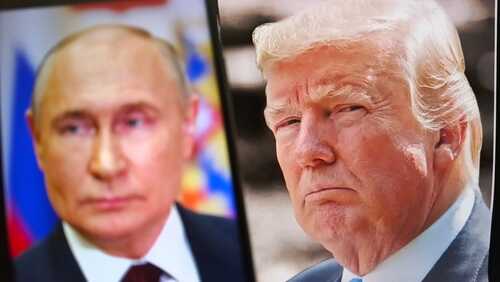
(DailyVantage.com) – Trump’s ultimatum to Putin isn’t just a headline, it’s a seismic gambit that could upend global oil markets, rattle American wallets, and redraw alliances before your next fill-up.
Story Snapshot
- Trump set a final deadline for Putin to end the Russia-Ukraine war or face crippling economic sanctions and tariffs.
- The U.S. has now slapped India with a 50% tariff for buying Russian oil, with China in the crosshairs next.
- Experts warn of oil price spikes and inflation, questioning whether these unprecedented sanctions can force Putin’s hand.
- The world is bracing for a Trump-Putin showdown in Alaska, with Ukraine’s fate hanging in the balance.
Trump’s Ultimatum: A New Economic Weapon
President Trump’s 50-day ultimatum to Vladimir Putin marked a dramatic escalation in U.S. tactics, demanding an immediate ceasefire in Ukraine or else. By early August 2025, the clock was ticking: Trump not only shortened the deadline but also targeted major Russian oil buyers with sweeping tariffs. India, a cornerstone of Russian oil sales, was hit first, its goods now face a punitive 50% tariff on entry to the U.S. market, and China stands warned of a looming 100% tariff if it continues buying Russian crude. This isn’t just about Russia; it’s a warning shot to any nation fueling the Kremlin’s war machine.
Tariffs of this scale have rarely been wielded with such direct geopolitical intent. Trump’s team says the goal is simple: squeeze Russia’s war chest by making its oil radioactive for global buyers. But the move is a double-edged sword. The U.S., and the world, relies on affordable oil and smooth trade with India and China. By threatening to blow up these economic ties, Trump is gambling that short-term pain will yield long-term peace. The question: will the world economy blink before Putin does?
Oil, Inflation, and the American Consumer
Analysts warn that cutting off Russian oil from vast markets will send crude prices skyward. The U.S. consumer is directly in the blast radius: a 25% jump in gas prices is on the table, with ripple effects for everything from groceries to gadgets. Tariffs on Indian and Chinese goods will only accelerate inflation, making everyday essentials more expensive for American families. For those old enough to remember the 1970s oil shocks, the specter of gas lines and spiraling costs feels all too real.
Meanwhile, U.S. allies in Europe and Asia are bracing for collateral damage. The threat to global supply chains is already driving up manufacturing costs. Experts at think tanks like the CATO Institute call oil sanctions “inherently leaky”, pointing out that nations determined to buy Russian oil will find workarounds. Some warn of a “whiplash effect” on the U.S. economy, where higher tariffs and oil prices could stunt growth and erode public support for the administration’s hardball tactics.
The Geopolitical Chessboard: Winners, Losers, and Wildcards
The White House’s strategy is clear: use America’s economic muscle to force Putin to the table, even if it means bruising allies along the way. Trump is betting that India and China need access to the U.S. market more than they need cheap Russian oil. But both countries have shown a willingness to defy Western pressure. If they retaliate with tariffs of their own, a global trade war could be next.
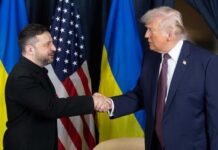
For Ukraine, the stakes are existential. President Zelensky has voiced concern over being sidelined in direct U.S.-Russia negotiations, fearing that his country’s interests might be bartered away for a quick deal. European capitals are uneasy, worried that Trump’s go-it-alone approach could fracture Western unity and leave them exposed to Russian pressure. Yet among Trump’s MAGA base, the move is popular, seen as a way to end endless wars and assert American dominance on the world stage.
Expert Warnings, Kremlin Signals, and the Alaska Summit
Foreign policy experts are deeply divided on whether Trump’s gambit will work. Some argue that Putin, aiming to carve out a landlocked Ukraine, is unlikely to yield to economic threats alone, especially when past sanctions have failed to break Russian resolve. Others caution that truly effective sanctions would have to be airtight, a near-impossible feat given the global thirst for oil.
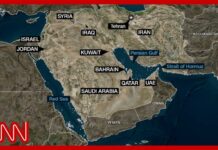
For now, all eyes are on Alaska, where Trump and Putin are expected to meet in the coming days. Kremlin officials have confirmed the summit, but remain dismissive of U.S. threats, calling Trump’s efforts a “dismal failure” in state media. With no ceasefire on the horizon, and tariffs set to bite in just weeks, the next moves by Washington, Moscow, New Delhi, and Beijing will determine whether this standoff ends with a handshake, or a painful new era of economic conflict.
Copyright 2025, DailyVantage.com