(DailyVantage.com) – One moment, a master pilot thrilled the sky in a $50 million jet; the next, a fireball ended a nation’s air show and raised questions no one can ignore about military spectacle and its cost.
Story Snapshot
- Poland’s top F-16 demonstration pilot killed during Radom Air Show rehearsal crash
- Crash led to the abrupt cancellation of Central Europe’s largest aviation event
- Authorities and experts now scrutinize air show safety and military aviation risk
- Public, military, and political circles reckon with the loss and future of demonstration flights
The Sudden Fall of a Modern Icon at Radom
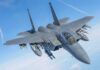
On August 28, 2025, the familiar roar of afterburners over Radom turned to horror when an F-16, Poland’s pride of modern aviation, screeched along the runway in a trail of flames. Major Maciej “SLAB” Krakowian, a decorated pilot and the public face of the F-16 Tiger Demo Team, lost his life performing a maneuver he had mastered many times before. The rehearsal for the Radom Air Show, a keystone event on the European aviation calendar, ended in catastrophe, forcing organizers to cancel the weekend spectacle and sending shockwaves through Poland’s military and aviation communities.
The incident unfolded in seconds but left a landscape of questions and a community in mourning. Emergency services scrambled immediately, but the jet’s impact and ensuing fire were fatal for the pilot. No spectators were harmed, but the runway suffered severe damage. By the following day, the Polish Ministry of National Defence and high-ranking government officials, including the Deputy Prime Minister and Prime Minister, made public statements and visited the crash site. The nation’s focus shifted from celebration to investigation and reflection.
From National Showpiece to Scene of Tragedy
Poland’s F-16 fleet, acquired in the late 2000s, symbolizes the country’s alignment with NATO and its leap into modern air defense. The Radom Air Show has long served as a showcase for this prowess, drawing crowds and international participants eager to witness precision and power. Major Krakowian was not just another pilot; he was a seasoned ambassador of Polish airpower, captivating audiences and inspiring the next generation. His death stunned colleagues and fans, underlining the razor-thin margin for error in high-performance flight demonstrations.
The repercussions extended far beyond a canceled event. The Radom community, which relies on air show tourism, braced for economic fallout. The Polish Air Force and defense ministry faced tough scrutiny, not only in determining the cause of the crash but in defending the value and safety of such public displays. Internationally, the incident reignited debates over whether the thrill of military spectacle justifies the risk, especially when the cost is counted in lost lives and damaged public trust.
Air Show Safety Under the Microscope
Military and aviation experts agree: demonstration flights are inherently dangerous. Aerobatic routines push aircraft and pilots to their limits by design. While Poland’s F-16s had an enviable safety record, the rarity of such a loss only heightened the shock. Investigators, assisted by both military and civil authorities, began combing through telemetry, maintenance logs, and eyewitness footage, but as of this writing, no official cause has been announced. The investigation’s outcome could reshape air show safety protocols not just in Poland but across NATO-aligned air forces.
Voices from the aviation community offered varied perspectives. Some argue for stricter regulations and more conservative maneuvers at public events. Others defend the tradition, emphasizing the morale, recruitment, and technological showcase that air shows provide. Professional pilots stress that no protocol can erase all risk from such complex performances, but rigorous training and constant review remain essential. In the meantime, the psychological toll on demonstration teams and their families is profound, creating ripples through squadrons known for their tight-knit bonds and culture of excellence.
Shockwaves for Poland’s Military and Beyond
The short-term impact is stark: a pilot lost, a major event canceled, and a cloud over Poland’s military prestige. The long-term effects may play out in revised safety standards, changes to demonstration flight procedures, and possibly a reassessment of how military might is displayed to the public. The Radom crash also serves as a cautionary tale for allied air forces, many of whom will study this incident as they weigh their own policies for public demonstrations.
The loss of Major Krakowian is a deeply personal tragedy for his family and the Polish Air Force, but it has also become a national event, one that forces a reckoning with the balance between spectacle and safety, pride and prudence. As the investigation continues and the aviation world looks on, the legacy of this moment will be measured not just in sorrow but in the resolve to prevent such losses in the future.
Copyright 2025, DailyVantage.com.