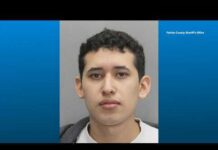
Federal prosecutors say stolen voter identities were used on Los Angeles’s Skid Row to fake signatures that help decide what goes on California ballots.
Story Highlights
- A federal grand jury indicted three people for an alleged Skid Row petition fraud scheme.
- Prosecutors allege stolen identities of real voters were used to sign initiative petitions.
- Video investigations helped spotlight the scheme, and officials say more cases are under review.
- The case underscores long-running risks tied to paid signature drives and weak upfront checks.
What Prosecutors Allege Happened on Skid Row
The United States Department of Justice says a federal grand jury charged James Brass and two others with using stolen identities of registered voters to manufacture signatures on ballot initiative petitions. The indictment states the group operated on Skid Row in downtown Los Angeles and used names of real voters to fill out petition sheets that can qualify measures for the ballot. The charges focus on identity theft and forged petition signatures, not on proving cash payments for each signature.
Federal officials say the suspects used a voter database to find real identities and then had people sign petitions using those names. Prosecutors argue this conduct struck at the heart of how California sets its ballots, since petition thresholds can decide whether issues make it before voters. A local television report also noted that the indictment centers on stolen identities being used to qualify petitions, clarifying the focus of the case. As with all indictments, the defendants are presumed innocent unless proven guilty.
How the Case Surfaced and Who Helped Expose It
Independent video reporting brought attention to alleged petition fraud on Skid Row earlier this year. James O’Keefe told the United States Senate he disguised himself as a homeless person and gathered footage of petition practices in the area. He said the videos prompted federal interest and that, at the time of his July testimony, some suspects had not yet been charged. Prosecutors have since moved forward with the Skid Row case and said election integrity remains a top priority.
The Los Angeles case follows other recent actions that show petition fraud risks are not hypothetical. News outlets reported a separate Los Angeles County plea deal in May, where a longtime signature collector admitted paying people, including homeless residents, to register to vote and soliciting signatures in the Skid Row area. Outside California, election officials and courts have removed candidates or measures after finding large batches of invalid or forged signatures, reinforcing that forged petition sheets do surface across states.
Why Petition Fraud Hits a Vulnerable Spot in Elections
California’s initiative system depends on fast collection of many signatures under tight timelines. Campaigns often hire paid circulators to meet quotas. Experts warn that high pay, deadlines, and limited upfront checks can tempt bad actors to cut corners. Election offices then must weed out invalid pages later, sometimes by sampling rather than reviewing every line due to sheer volume. This “qualify first, verify later” model can let forged signatures slip through if reviews miss patterns.
#News A man was arrested by the FBI for paying homeless people on Skid Row to sign petitions in support of ballot initiatives, using stolen identities of registered voters, and forging their signatures, according to FBI director Kash Patel#cali
Federal agents arrested James… pic.twitter.com/UdlXIV6Vyg
— Christina Aguayo (@ChristinaNewstv) September 11, 2026
Researchers and officials have documented repeat cases of fraudulent petition sheets in recent years. A national public radio report detailed a Michigan review that found entire sheets made up of invalid names, including dead voters, leading to major disqualifications in 2022 and 2023 cycles. These cases do not prove widespread fraud across all elections, but they show a recurring weak point: when money rewards speed over accuracy, signature quality can drop, and the public pays the price in mistrust and legal fights.
What This Means for Voters Across the Spectrum
People on the right and the left worry that powerful interests game the system while regular citizens feel ignored. Petition fraud feeds that view. If stolen identities can help shape what appears on the ballot, then the gatekeeping step is not protecting voters. Conservatives see proof that weak identity checks invite abuse. Liberals see a system where money and consultants can bend rules and exploit the homeless. Both sides see a government slow to fix obvious flaws.
Concrete fixes exist. States can tighten circulator oversight, raise training standards, and require better identity checks before petitions qualify. Election offices can use smarter fraud detection tools and expand targeted audits of suspicious batches. Lawmakers can increase penalties for forged sheets and improve transparency on who funds signature drives. These steps would protect legitimate citizen action while shutting down schemes that rely on stolen names and people in crisis to tilt the rules.
Sources:
washingtontimes.com, facebook.com, abc7.com, electionfraud.heritage.org, ebsco.com
© dailyvantage.com 2026. All rights reserved.