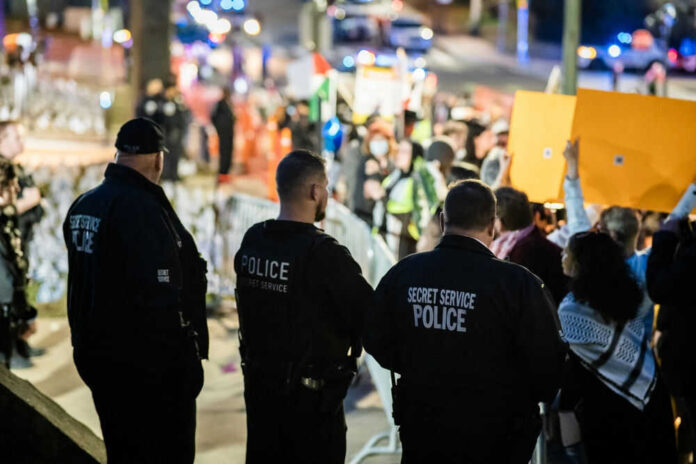
(DailyVantage.com) – The boundaries of acceptable speech for government employees are being tested in a way that will haunt the Secret Service for years to come.
Story Snapshot
- A Secret Service employee publicly celebrated the assassination of Charlie Kirk and was placed on leave pending investigation
- The employee’s Facebook post referenced “karma” and accused Kirk of spreading hate and racism
- The Secret Service responded with immediate administrative action and a public statement condemning the behavior
- The incident reignited fierce debate over political bias, agency culture, and the free speech limits for federal employees
Federal Law Enforcement in the Spotlight: A New Test for Trust
Anthony Pough, a name previously unknown to the American public, became a flashpoint in the nation’s ongoing conflict over the conduct of those sworn to protect it. On September 11, 2025, just a day after Turning Point USA founder Charlie Kirk was gunned down at Utah Valley University, Pough, a Secret Service employee, posted a celebratory message on Facebook. He called Kirk “a purveyor of hate and racism” and invoked “karma,” an act that drew immediate condemnation and scrutiny.
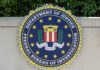
The Secret Service did not hesitate. By September 12, Pough was placed on administrative leave, and the agency announced an internal investigation. Public statements were swift and unequivocal: “The U.S. Secret Service will not tolerate behavior that violates our code of conduct. This employee was immediately put on administrative leave, and an investigation has begun.” The speed and clarity of the response signaled the seriousness with which the agency viewed the breach, not just of decorum, but of its very mission to remain above political conflict.
Public Outrage and Political Pressure Escalate
The reaction was not limited to the halls of the Secret Service. Within hours, political leaders, most notably Sen. Marsha Blackburn, took to the airwaves and social media, demanding Pough’s immediate termination. For conservatives, the incident was proof of a deeper rot, a culture of bias within federal law enforcement that, if left unchecked, could erode public trust in institutions designed to be impartial. For others, it was a moment to question how personal political beliefs intersect with professional responsibilities in the digital age.
The outpouring of public opinion, amplified by partisan media, made the incident impossible to ignore. Within two days, the question was no longer just about Anthony Pough’s future. It was about whether the Secret Service and similar agencies can remain credible arbiters of security in a country where every action is filtered through the lens of political loyalty.
Agency Integrity Versus Free Speech: The Uncomfortable Balance
The Secret Service, long tasked with protecting the nation’s leaders and safeguarding the integrity of the government, has a simple but rigid expectation: its employees must display political neutrality at all times. The agency’s code of conduct is clear; public celebration of violence, especially against a political figure, is not compatible with its standards. This is not the first time federal employees have faced discipline for social media activity, but the stakes are higher when the employee is a member of the nation’s elite protective force.
@POTUS
Fire them!
Secret Service employee who celebrated Charlie Kirk's assassination put on immediate leave #Shooting #Violentcrimehttps://t.co/6OfZnhFBMr— God's Soldiers (@WertJanice) September 13, 2025
Legal and ethics experts argue that while government employees do not forfeit their First Amendment rights, those rights are curtailed by the need for agency integrity and public trust. The Supreme Court has consistently upheld the idea that government agencies can restrict speech that undermines their mission or brings them into disrepute. In this case, the Secret Service’s rapid response aligns with both the letter and spirit of these legal precedents.
The Ripple Effects: Policy, Politics, and Public Confidence
The immediate impact is clear: the Secret Service’s reputation is under the microscope, and Anthony Pough’s future hangs in the balance. But the longer-term consequences may be more profound. Federal agencies across the country are likely to review their social media policies, wary of similar incidents that could further damage public perception. For conservative activists and supporters of Charlie Kirk, the episode will serve as a rallying cry, proof that cultural and political bias is not just a talking point but a threat to the very fabric of public service.
The debate over the boundaries of free speech for government employees is far from settled. As the nation awaits the outcome of the Secret Service’s investigation, one thing is certain: the line between public and private belief, between speech and duty, has never been more fraught, or more consequential for the country’s trust in its protectors.
Copyright 2025, DailyVantage.com.