(DailyVantage.com) – When rocks rained down on President Javier Milei’s convoy in Buenos Aires province, Argentina’s political powder keg was lit for all to see, showcasing a nation at war over the future of its economy and identity, with consequences that could echo far beyond its borders.
Story Snapshot
- President Javier Milei’s caravan was attacked by demonstrators in Buenos Aires province, a bastion of opposition, underscoring the sharp divide over his radical economic reforms.
- The incident highlights the growing volatility and polarization gripping Argentina as Milei pushes austerity, deregulation, and deep cuts to social programs.
- Powerful unions, left-leaning parties, and local leaders are locked in a high-stakes struggle against Milei’s libertarian agenda, fueling unrest and raising security concerns.
- The episode is the latest in a series of confrontations, with both sides digging in and no clear end to the turmoil in sight.
In Buenos Aires, a Convoy Under Siege Marks a Nation on Edge
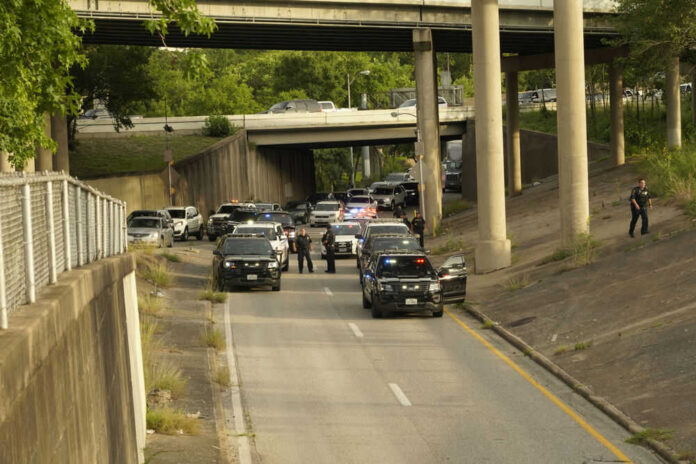
August 27, 2025: President Javier Milei’s campaign caravan wound through Buenos Aires province, the country’s political and demographic heart, when a hail of rocks shattered the motorcade’s calm. The attack, carried out by demonstrators angered by Milei’s economic overhaul, punctuated a season of mounting unrest. Buenos Aires, long the stronghold of Peronist and left-leaning opposition, has become the frontline in a bitter struggle over Argentina’s future, with Milei’s every public appearance now a high-risk gamble.
Security forces responded instantly, shielding the president and hustling the caravan to safety. No serious injuries were reported, but the symbolism was unmistakable. An Argentine president, under assault in the heartland of his critics, only heightens the stakes of a country already reeling from economic pain and political fatigue. Milei’s team quickly blamed opposition leaders for inciting violence, while his adversaries condemned the attack but accused the government of provoking social chaos with its policies.
How Argentina Got Here: Libertarian Shock Therapy Meets Old Guard Resistance
Argentina’s political battlefield has been years in the making. Javier Milei rose to power in 2023 as an outsider, promising to smash the “political caste” and unleash a libertarian revolution. His win was propelled by widespread anger at entrenched elites amid economic freefall, hyperinflation, and a string of failed orthodoxies. Since taking office in December 2023, Milei has pursued a bold, some say reckless, agenda: sweeping cuts to public spending, deregulation, and a push to dollarize the economy. The plan was always going to face fierce resistance, but nowhere is the backlash more intense than in Buenos Aires province, a Peronist bastion where unions and leftist parties wield deep influence.
Since 2024, protests, strikes, and legislative showdowns have surged. Unions decry job losses and threats to social safety nets. Opposition leaders warn that the social fabric itself is at risk. Milei, backed closely by his sister and chief strategist Karina Milei, has doubled down, arguing that only radical change can break Argentina’s cycle of crisis. The country’s Congress remains fragmented, with the president’s coalition often outnumbered, especially in opposition strongholds like Buenos Aires. The result is a toxic brew: legislative gridlock, street protests, and now violence targeting the head of state.
Rocks, Rhetoric, and a Battle for Argentina’s Soul
The rock-throwing incident is just the most dramatic flashpoint in a broader campaign of resistance. Security has been ramped up for presidential appearances, and Milei has made clear he will not yield to what he calls “threats from the old order.” Meanwhile, opposition leaders are walking a tightrope, calling for peaceful demonstrations while channeling deep-seated anger over austerity and deregulation. The constant churn of protests and strikes, especially in Buenos Aires, signals a society on edge, with each side accusing the other of undermining democracy and stability.
The immediate risk is escalation. With no injuries this time, both government and opposition can claim restraint. But as rhetoric heats up and public patience wears thin, the specter of more serious violence cannot be dismissed. Analysts warn that failure to tamp down unrest could make Milei’s ambitious reforms all but impossible to implement, threatening not just his presidency but Argentina’s fragile recovery. The stakes are high: investor confidence, international credibility, and the daily lives of millions hang in the balance.
What’s Next: Deepening Divides and the Challenge of Governing by Shock
Short-term, Milei’s government faces a security headache and a legitimacy test. Each protest, each stone thrown, chips away at the aura of control that any administration depends on. Longer term, the risk is even greater: political polarization could harden, legislative deadlock deepen, and the reform agenda falter. Argentina’s history is littered with examples of governments undone by social unrest and economic pain. Yet Milei’s supporters argue that only shock therapy can break the cycle of crisis and rebuild national strength.
What’s clear is that Argentina’s experiment with radical libertarianism is meeting its stiffest test. The world is watching, not just for the outcome of Milei’s reforms, but for what Argentina’s turmoil says about the global rise of anti-establishment leaders and the limits of governing by confrontation. Whether Milei can weather the storm, or whether the rocks thrown in Buenos Aires become a symbol of a nation’s breaking point, remains the question on everyone’s mind.
Copyright 2025, DailyVantage.com.