(DailyVantage.com) – Even after years of “nothing to see here,” the Epstein scandal is dragging powerful names back under oath—and this time Congress is demanding answers on the record.
Story Snapshot
- Hillary Clinton sat for a closed-door House Oversight deposition on Feb. 26, 2026, tied to the committee’s investigation into Jeffrey Epstein and Ghislaine Maxwell.
- Clinton released an opening statement denying knowledge of Epstein or Maxwell’s crimes and denying any personal contact with Epstein.
- Chairman James Comer said the committee is not accusing the Clintons of wrongdoing and framed the probe around government handling, elite connections, and Epstein’s wealth.
- Bill Clinton is scheduled to be deposed next, keeping the spotlight on documented Epstein flights and what high-level institutions knew—and when.
Closed-Door Deposition Puts Epstein Questions Back in Front of Congress
House Oversight convened Hillary Clinton’s deposition on Feb. 26, 2026, at the Chappaqua Performing Arts Center in New York, after the committee and Clinton’s team agreed to terms governing the interview. The panel’s stated focus centers on Jeffrey Epstein and Ghislaine Maxwell—how Epstein built influence and money, and how government institutions handled investigations over time. By agreement, the deposition excludes other long-running Clinton controversies, narrowing questioning strictly to the Epstein-Maxwell matter.
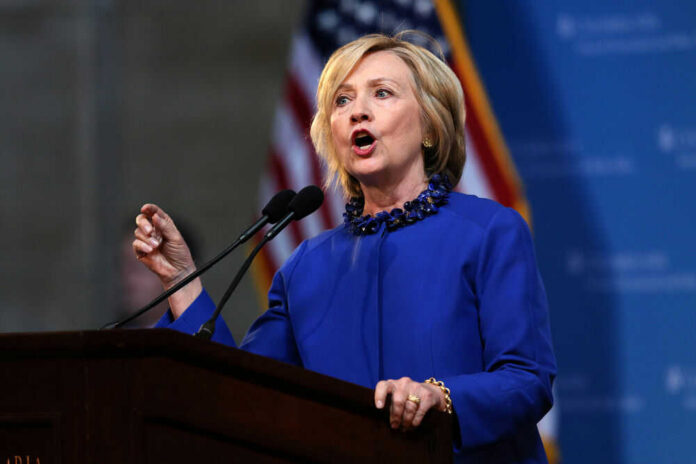
Hillary Clinton’s opening statement drew a bright line: she said she had “no idea” about the pair’s criminal activities and indicated she had nothing new to add. Reporting also describes her as denying she ever met Epstein, flew on his plane, or visited his properties. Committee leaders emphasized the session is part of a broader fact-finding effort, with video and transcript release expected after review—an important detail for Americans who are tired of selective leaks and want primary-source accountability.
What the Committee Says It’s Investigating—and What It’s Not
Chairman James Comer framed the inquiry around systemic questions: Epstein’s wealth accumulation, his connections to powerful figures, and whether there were ethics failures or government mishandling. Comer also said publicly that no one is accusing the Clintons of wrongdoing, stressing due process while still pressing for full clarity. That distinction matters because it separates documented oversight goals from insinuation—while still acknowledging the public’s longstanding concern that elites too often get special treatment.
Democrats on the committee countered that the investigation risks becoming political theater, arguing there is no evidence against Hillary Clinton and demanding quick release of the transcript. Rep. Robert Garcia, the top Democrat, described Clinton as cooperating “in good faith” and pressed for rapid disclosure. Democrats also continued pushing for scrutiny of President Trump’s own historical proximity to Epstein, pointing to claims that remain uncorroborated and disputed, with debate over what the DOJ has and has not released.
Why Bill Clinton’s Deposition Could Draw More Scrutiny
Bill Clinton’s scheduled deposition the next day is a major reason the story isn’t ending with Hillary Clinton’s testimony. Reporting notes Bill Clinton has acknowledged flights on Epstein’s plane while denying any knowledge of crimes and denying any visits to Epstein’s island. That admission, even paired with denials, naturally concentrates questioning on what relationships existed, how often, and what warning signs may have been visible to people inside elite circles during the years Epstein operated openly.
The Photo Leak Controversy Highlights a Trust Problem
The deposition briefly paused after a photo from inside the closed-door session appeared publicly, raising questions about compliance with agreed rules. Reporting ties the image’s spread to conservative media personality Benny Johnson, with an allegation that Rep. Lauren Boebert shared the photo. Regardless of partisan loyalties, leaks like this feed public cynicism: Americans watch institutions demand secrecy, then fail to enforce it evenly—undermining confidence that the process is controlled, lawful, and fair.
JUST IN: Hillary Clinton Releases Her Opening Statement to House Oversight Committee Ahead of Epstein Deposition (PHOTO OF HILLARY) https://t.co/DRHpUU7i4l #gatewaypundit via @gatewaypundit
— Ramdas Raymond (@chewie1238) February 26, 2026
For voters who want a constitutional republic that applies rules equally, the central question is not whether politicians can craft statements that sound airtight—it’s whether the federal government will finally provide transparent, verified records about how Epstein was treated, protected, or missed by the system. The committee says it wants to examine failures in investigations and influence networks, not prosecute headlines. If transcripts and documentation are released promptly, the public can judge credibility based on evidence, not spin.
Sources:
House Oversight, Hillary Clinton agree on deposition terms
Hillary Clinton tells House committee she had “no idea …”
Copyright 2026, DailyVantage.com