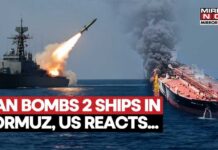
Iran’s latest move in the Strait of Hormuz shows how quickly a foreign regime can squeeze a vital trade route and rattle global markets.
Quick Take
- Windward said the Strait of Hormuz had **zero AIS transits** during one recent window, showing a sharp drop in visible traffic.
- Other Windward reports said the strait was still **controlled**, not fully open, with some vessels moving in dark mode.
- Live tracking sites and maritime analysts described a severe bottleneck, but also warned that AIS can miss hidden traffic.
- The dispute matters far beyond the Gulf because the strait handles a major share of world energy shipments.
Visible Traffic Fell to Near Zero
Windward reported that the Strait of Hormuz saw only eight tracked transits on June 8 and 9, with two inbound and six outbound. A later report said zero AIS transits were recorded overnight, while only two non-Iranian commercial vessels were visible by AIS the next morning.[1] That is not normal traffic. It is a sign of a chokepoint under extreme stress, even if the full picture is harder to see than a simple map suggests.
Live vessel trackers also described the waterway as effectively stalled, with no commercial vessels moving in some recent snapshots.[2] Another tracker said daily transits had fallen from more than 100 ships to fewer than 10 during the crisis.[3] Those numbers explain why traders, insurers, and shipping firms have treated Hormuz like a danger zone. For families already squeezed by high prices, any hit to oil flow can quickly show up in fuel and shipping costs.
Why Zero AIS Does Not Mean Zero Ships
The same research package makes one key point clear: AIS data can undercount real movement when ships go dark, spoof their identity, or use hidden routes. Windward itself said satellite imagery still showed ships moving through the strait even when AIS had gone dark.[10] Other reports in the package described dark vessels, coastal routing, and a permission-based transit model, which means the visible count can fall fast even when some ships still pass.[4][6]
That is why analysts disagree on wording, not on the core problem. One side says the strait is effectively closed because normal commercial flow has collapsed. The other says it is not fully shut because some vessels still move under strict control or without AIS.[2][3][4][6][8] Both can be true at once. The practical reality is a narrow waterway where free passage has been replaced by fear, delay, and political gatekeeping.
Why This Matters for Energy Security
The Strait of Hormuz is not just another shipping lane. It is one of the world’s most important energy arteries, and outside reports in the research package say disruptions there have cut tanker traffic sharply and pushed some cargoes into holding patterns.[7][23][26] That kind of stoppage hits crude, liquefied natural gas, fertilizers, and container shipping. It also puts more pressure on American consumers who already know what inflation, weak border control, and government mismanagement can do to daily life.
Windward Maritime AI™ tracked ~550 cargo vessels and tankers broadcasting AIS west of Hormuz on June 14. This buildup includes:
• 86 product tankers
• 34 crude tankers
• 23 chemical tankers
• 80 bulk carriers
• 33 containerships
• 15 LNG carriersWhile some are… pic.twitter.com/Y0e5GyILhs
— Windward (@WindwardAI) June 16, 2026
Windward’s own public messaging describes the strait as “controlled” rather than simply open, and other sources in the package say passage remains sparse and tightly managed by Iran.[6][8][13] That is the heart of the story. The regime does not need to announce a formal lock on the gate if it can force shipping into fear, silence, and negotiation. In plain terms, that is leverage, and it is the kind of leverage weak policy invites.
What the New Data Signals Now
The June reporting shows a picture that is still unstable. One Windward post showed near-zero visibility through AIS, while another source said transit counts had rebounded only modestly from deep lows.[1][5] That suggests the corridor remains fragile and heavily managed. For policymakers, the lesson is simple: a strategic waterway cannot be treated like a normal market if one hostile actor can control access, shape risk, and hide ships from public view.[9][11]
For readers watching this from home, the warning is bigger than one strait. When a foreign power can threaten a chokepoint that carries a large share of global energy trade, the ripple effects reach gas pumps, freight rates, and store shelves. That is why transparent reporting matters. The public should know the difference between a strait that is truly closed, one that is merely controlled, and one where the lights are out on the tracking screen.
Sources:
[1] Web – Windward Says “Zero AIS Transits” On Hormuz Chokepoint
[2] X – The Strait of Hormuz, June 8–9: 8 transits tracked (2 inbound, 6 …
[3] Web – Strait of Hormuz Traffic | Live Vessel Tracking Dashboard
[4] Web – Live Ship Data – Strait of Hormuz
[5] Web – Iran Exerts Control Over Strait of Hormuz with New Corridor – LinkedIn
[6] Web – Will __ ships transit the Strait of Hormuz on any day by June 30?
[7] Web – Windward: Hormuz traffic remains critically constrained – safety4sea
[8] Web – r/oil – AIS Tracking Anomaly: Ships attempting to transit the Strait …
[9] Web – Tracking data shows vessel traffic through the Strait of Hormuz …
[10] Web – Windward’s Post – LinkedIn
[11] Web – The Strait of Hormuz hasn’t shut down – LinkedIn
[13] Web – Maritime data firm indicates the Strait of Hormuz remains under strict …
[23] Web – Strait of Hormuz Trade Tracker | Data Lab
[26] Web – Shipping disruptions and maritime CO₂ emissions: Evidence from …
© dailyvantage.com 2026. All rights reserved.