(DailyVantage.com) – A law-and-order confrontation at Thessaloniki Airport highlights the deepening crisis of Greek rural livelihoods amid delayed EU subsidies.
Story Highlights
- Riot police used tear gas to disperse farmers at Thessaloniki Airport.
- Farmers protest over delayed EU subsidies linked to a fraud investigation.
- Nationwide blockades disrupt transport and trade.
- Government under pressure to address subsidy delays amid fraud probe.
Tear Gas at Thessaloniki Airport: A Crisis Unfolds
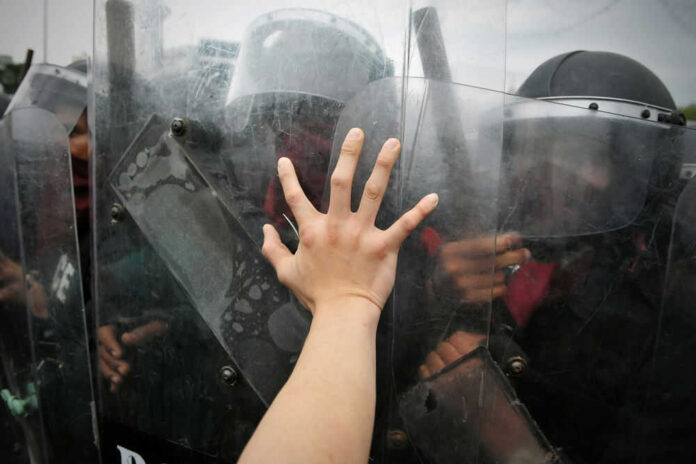
In Thessaloniki, Greece’s second-largest city, tensions escalated as riot police deployed tear gas and pepper spray against farmers. The farmers, numbering in the hundreds and equipped with over 100 tractors, attempted to block a crucial access road to Thessaloniki International Airport. This move was part of a larger, nationwide protest against delayed EU agricultural subsidies, which have been withheld due to an ongoing fraud investigation. The police intervention aimed to keep the airport road open, highlighting the challenging balance between law enforcement and civil protest.
This confrontation is not just a local issue but a symptom of broader structural grievances. Greek farmers have long been reliant on EU Common Agricultural Policy (CAP) subsidies, which are crucial for their livelihoods. The delay in these payments, attributed to a fraud investigation by the European Public Prosecutor’s Office (EPPO), has left many farmers in financial distress. The probe, which uncovered a large-scale subsidy fraud scheme, has led to the review of over 40,000 subsidy applications.
Nationwide Blockades and Economic Impact
Beyond Thessaloniki, the protests have sparked widespread disruptions. Farmers have set up blockades at key highways and border crossings, impacting trade and transport across northern and central Greece. These actions have created significant freight backlogs, especially at borders with Bulgaria, Turkey, and North Macedonia. The Greek government’s response, which includes traffic diversions and maintaining open lines of communication with protest leaders, underscores the complexity of the situation.
Economically, the crisis is deepening. The inability to access subsidies has left farmers unable to purchase essential inputs for the upcoming planting season. This lack of funds is likely to result in reduced harvests, potentially tightening food supplies and raising prices for urban consumers. The situation is exacerbated by recent disease outbreaks, such as goat and sheep pox, which have further destabilized the agricultural sector.
The Role of Governance and Future Prospects
The Greek government’s handling of the crisis is under scrutiny. While authorities assert the necessity of the subsidy reviews to ensure compliance with EU rules, the delays have sparked widespread frustration. Farmers, feeling the financial pinch, are calling for immediate action to release the funds. The government’s promise of higher subsidies this year offers some hope, but many applications remain under investigation, prolonging uncertainty.
The involvement of the EPPO in the fraud investigation highlights the intersection of EU financial governance and national politics. This could lead to institutional reform in how Greece manages EU funds, possibly improving transparency and accountability. However, mishandling legitimate claims could erode trust in these institutions. As the situation unfolds, the Greek government must navigate the delicate balance of enforcing law and order while addressing the legitimate needs of its agricultural sector.
Copyright 2025, DailyVantage.com