(DailyVantage.com) – America’s public square is so polarized that even outspoken comedians like Bill Maher now fear for their safety, signaling a chilling new era for free speech and live performance.
Story Snapshot
- Bill Maher halts stand-up comedy, citing threats from both political extremes and personal safety concerns.
- His decision highlights growing dangers for public figures in today’s climate of political hostility.
- Industry experts warn about the erosion of free speech and artistic liberty as venues and performers reassess risks.
- Freedom of expression faces increasing pressure, as cancel culture and intimidation tactics undermine American values.
Maher’s Retirement: A Symptom of Deepening Political Hostility
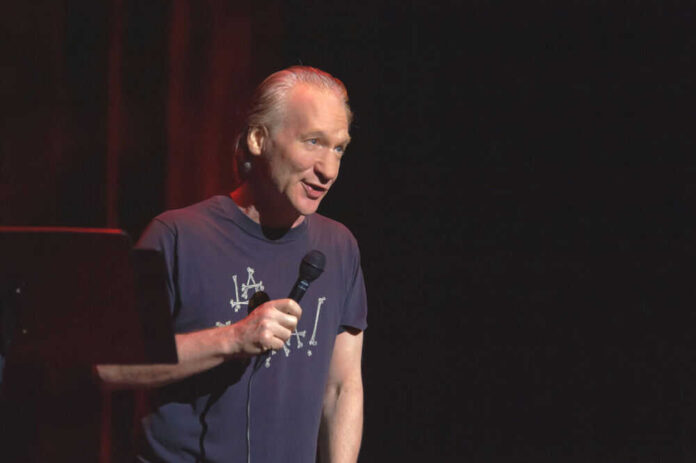
Bill Maher, a veteran comedian and commentator known for challenging political correctness, announced in 2024 that he would no longer tour as a stand-up comic. He cited escalating fears of being shot, referencing threats from both the political left and right. Maher’s withdrawal is not just about personal safety; it’s an indictment of the nation’s growing intolerance for dissenting voices. This new reality reflects a troubling shift for anyone who values open debate and robust discussion in American society.
Maher’s decision came during an episode of his podcast “Club Random,” where he explained that the hostile climate for public figures had become too great a risk. The comedian’s concerns are not unfounded. In recent years, comedians have faced violent attacks and repeated threats, with the 2022 onstage assault of Dave Chappelle serving as a prominent example. Maher himself has long been a lightning rod for criticism, but the current level of animosity, fueled by political polarization, has made public performances a potential hazard.
Free Speech Under Siege: The Broader Threat to Artistic Liberty
Maher’s story is just one chapter in a wider struggle over free speech and artistic liberty. The rise of cancel culture and the normalization of threats against performers have created a chilling effect, discouraging not just comedians but anyone who dares to challenge prevailing narratives. For conservatives and constitutionalists, this trend represents an attack on core American values, individual liberty, open debate, and the right to dissent. The safety concerns now deterring performers like Maher are a direct consequence of a culture that too often rewards outrage and silences opposition.
Comedy venues and promoters, once bastions of freewheeling discourse, are now forced to weigh the economic and reputational risks of hosting controversial acts. Audiences, too, lose out, deprived of live entertainment and the sort of challenging, thought-provoking performances that drive social commentary. The ripple effects extend beyond the stage, threatening to stifle creativity and honest conversation in every corner of public life.
Industry and Economic Impact: Who Pays the Price?
The fallout from Maher’s retirement is immediate and far-reaching. Venues and event promoters stand to lose substantial revenue, with canceled tours affecting local economies and workers. More broadly, the entertainment industry faces pressure to ramp up security, reassess risk protocols, and alter the very nature of live performance. The short-term effects are clear: fewer shows, fewer opportunities for artists, and less access for audiences. Long-term, the chilling effect may dissuade emerging talent from speaking out, shrinking the marketplace of ideas that has always defined American culture.
As political intimidation escalates, the cost is borne not just by celebrities, but by everyone who values the First Amendment. Conservative Americans, in particular, see these developments as the inevitable result of years of leftist overreach, policies and cultural trends that have elevated grievance over debate, and intimidation over persuasion. The loss of voices like Maher’s, even when disagreement is strong, is a blow to the pluralism that anchors our republic.
Expert Perspectives: Is Free Expression Still Safe in America?
Industry experts and scholars agree: the rising risk for public figures is a symptom of a dangerously polarized society. Some argue that comedians must adapt to changing norms, while others warn that the real threat is to free speech itself. The historical role of comedy, questioning power, lampooning sacred cows, is now complicated by the specter of violence and the specter of mob outrage. Security professionals advocate for enhanced measures at live events, but no amount of preparation can substitute for a culture that truly values dialogue over intimidation.
Copyright 2025, DailyVantage.com .