(DailyVantage.com) – Elon Musk’s “America Party” emerges from the ashes of his Trump alliance, promising to liberate Americans from the “debt slavery” of the two-party system that just added $3 trillion to the national debt.
Key Takeaways
- Musk officially launched the “America Party” on July 6, 2025, after 65% of 1.25 million poll respondents supported breaking from the two-party system
- The split with Trump was triggered by the President’s “Big Beautiful Bill” tax cuts, which Musk condemned as “debt slavery” that would add over $3 trillion to national debt
- Trump dismissed Musk’s new party as “absurd” and even suggested the South African-born billionaire could face deportation
- Musk aims to target key Senate and House races where the America Party could become the “deciding vote” in a closely divided Congress
- Former Democratic presidential candidate Andrew Yang has expressed interest in collaborating with Musk’s new political venture
Tech Billionaire Launches Political Revolution
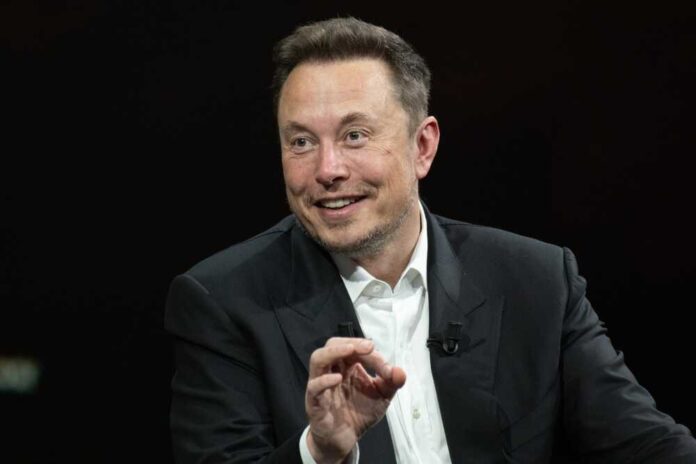
In a move that has sent shockwaves through the American political establishment, Tesla and SpaceX CEO Elon Musk officially launched the “America Party” on July 6, 2025. The announcement, made via his social media platform X (formerly Twitter), comes after weeks of escalating tension with former ally President Donald Trump. Musk’s bold declaration that his new party would “give you back your freedom” signals his intent to disrupt America’s entrenched two-party system at a time of historic political polarization.
The billionaire’s political ambitions were foreshadowed by a July 4th poll on X where an overwhelming 65% of 1.25 million respondents supported independence from the traditional party structure. Musk later cited that “80% of people” agreed on the need for a new political party representing the middle ground of American politics. The timing is no coincidence, as the launch comes just days after Trump signed his controversial “Big Beautiful Bill” into law on Independence Day.
From Ally to Adversary: The Trump-Musk Fallout
The spectacular collapse of the Trump-Musk alliance centers on fundamental disagreements over fiscal policy. Musk vehemently opposed Trump’s signature economic legislation, the “Big Beautiful Bill,” a sweeping tax-cut and spending package projected to add more than $3 trillion to the national debt. The tech mogul didn’t mince words, labeling the legislation “debt slavery” and a “pork-filled Congressional spending bill” that betrayed conservative principles of fiscal responsibility.
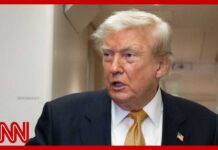
Trump’s response to Musk’s criticism was characteristically combative. The President not only dismissed the America Party concept as “absurd,” insisting that “third parties have never worked” in the American system, but also escalated to suggesting potential deportation for Musk, who was born in South Africa. This bitter public feud marks a dramatic reversal from just months ago when Musk served as a key advisor in Trump’s Department of Government Efficiency (DOGE) and contributed $25 million to support Trump-aligned candidates.
Strategic Vision for a Third-Party Disruption
Rather than attempting to immediately compete for the presidency, Musk has outlined a more pragmatic approach for his America Party. The strategy focuses on winning pivotal Senate and House seats in closely contested districts where a third-party could serve as the “deciding vote” in a narrowly divided Congress. This targeted approach acknowledges the significant structural barriers facing third-party movements while maximizing potential influence over legislation.
“When you have a closely divided Senate or House, you only need to win a few seats to be the deciding vote,” Musk explained in his announcement. “That’s the fastest path to influence.” This strategic calculation suggests Musk understands the practical challenges ahead but believes he can leverage his enormous platform and resources to overcome the traditional barriers that have stymied previous third-party efforts.
The America Party appears positioned to appeal to independents and centrists disillusioned with both major parties. In a significant development, Forward Party founder and former Democratic presidential candidate Andrew Yang has already expressed interest in potential collaboration, suggesting Musk may be building a coalition of political outsiders.
Establishment Pushback and Market Concerns
The political establishment has wasted no time in attempting to marginalize Musk’s new venture. Treasury Secretary Scott Bessent publicly questioned whether Musk’s business boards had approved his political pivot, noting the billionaire’s declining popularity following his DOGE resignation in June. “I wonder if his boards approved this,” Bessent remarked, highlighting the potential corporate governance concerns surrounding Musk’s increasingly political profile.
“When you have a closely divided Senate or House, you only need to win a few seats to be the deciding vote. That’s the fastest path to influence,” said Elon Musk, CEO of Tesla and SpaceX, explaining his strategy for the newly formed America Party.
Wall Street has also registered concern about Musk’s political ambitions potentially distracting from his business responsibilities. Prominent analyst Dan Ives warned that Musk’s political activities could divert attention from Tesla’s operations, while investment firm Baird downgraded Tesla stock citing “uncertainty” related to Musk’s expanding political profile. The market reaction underscores the high stakes of Musk’s gambit not just for American politics but for his business empire as well.
Historical Challenges and Future Prospects
Musk’s America Party faces formidable historical and structural obstacles. His recent $25 million expenditure in an April 2025 Wisconsin judicial race failed to elect his preferred candidate, providing a sobering reminder of the difficulties in translating financial resources into electoral success. Additionally, both Democrats and Republicans are united in their opposition to the initiative, with Trump allies actively working to marginalize the movement before it gains traction.
“Third parties have never worked in the United States,” said President Donald Trump in response to Musk’s announcement, before adding a thinly veiled threat about Musk’s immigration status that shocked many political observers.
The America Party emerges at a moment of unprecedented political polarization, with Musk attempting to capitalize on widespread anti-establishment sentiment. However, his reduced political donations following the Trump split could limit the party’s resources just as it attempts to build infrastructure. Whether Musk’s celebrity status, vast wealth, and social media platform can overcome these challenges remains the central question as this political experiment unfolds in the lead-up to the 2026 midterm elections.
Copyright 2025, DailyVantage.com