(DailyVantage.com) – What leads a grand jury to reject indictments in a high-profile case involving threats against a sitting president?
Story Overview
- A federal grand jury declined to indict Nathalie Rose Jones for threatening President Trump.
- Jones admitted to making threatening statements on Facebook but denied intent to harm.
- The case highlights the legal threshold for criminal threats versus free speech.
- Similar grand jury decisions in D.C. suggest skepticism about federal prosecutions in protest contexts.
Unpacking the Grand Jury’s Decision
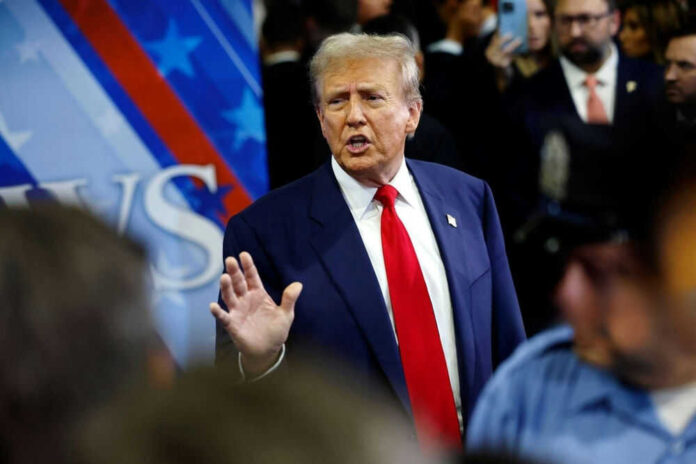
Nathalie Rose Jones found herself at the center of a legal storm when a federal grand jury in Washington, D.C. declined to indict her after she allegedly threatened President Donald Trump on social media. Jones, a 50-year-old woman, was arrested in August 2025 following Facebook posts that included statements like, “I am willing to sacrificially kill this POTUS.” Despite the severe nature of these allegations, the grand jury found no probable cause to indict.
This decision is particularly noteworthy as it represents a rare instance where a grand jury has rejected federal charges in a case involving threats against a sitting president. The legal landscape in the United States typically errs on the side of caution when it comes to presidential safety, with the Secret Service investigating all credible threats. The case raises significant questions about the boundaries of free speech and the legal threshold required to classify statements as criminal threats.
The Legal and Social Context
Jones’s case unfolded against a backdrop of heightened political tensions and federal crackdowns on protests in Washington, D.C. The Secret Service became involved after Jones’s social media posts caught their attention, prompting interviews and a search of her car, which yielded no weapons. Jones maintained that her statements were political in nature and not genuine threats, a claim her legal team strongly advocated.
The grand jury’s decision to decline the indictment aligns with a recent trend of grand juries in D.C. rejecting charges in similar protest-related incidents. This pattern suggests a growing skepticism about the sufficiency of evidence or the appropriateness of federal prosecutions in cases linked to political speech and protest activities.
Implications and Reactions
In the short term, the grand jury’s decision spares Jones from federal prosecution, setting a precedent for how protest-related speech is treated in the legal system. The case underscores the importance of distinguishing between hyperbolic political speech and true threats, a distinction that is crucial for protecting free speech while ensuring safety.
Long-term implications could include shifts in prosecutorial strategies and increased scrutiny of grand jury processes in politically charged cases. The decision could either embolden activists by affirming their right to protest or create a chilling effect if perceived as a warning against crossing certain lines in political discourse.
Broader Impacts and Expert Insights
The legal sector may witness increased scrutiny of grand jury decisions and prosecutorial discretion, especially in cases involving political speech. Social media platforms also face ongoing challenges in moderating content that borders on threatening speech without infringing on free expression rights. Legal experts note the rarity of grand jury refusals in federal threat cases, suggesting possible concerns about overreach or insufficient evidence.
Civil liberties advocates argue that the case highlights the importance of protecting political speech, whereas others express concern over potential risks to presidential safety and the adequacy of threat investigations. The grand jury’s decision is a pivotal moment in the ongoing debate over free speech versus criminal threats, with significant implications for how similar cases are approached in the future.
Copyright 2025, DailyVantage.com.