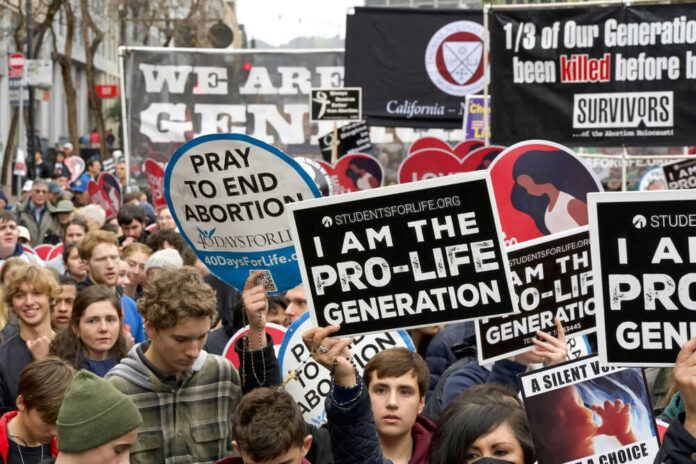
(DailyVantage.com) – Pro-life activists reviving 1980s-style civil disobedience tactics stormed the Department of Health and Human Services headquarters in Washington, D.C., demanding President Trump and his administration ban the abortion pill—triggering arrests and signaling a bold new chapter in the fight to protect unborn life.
Story Snapshot
- Rescue Resurrection activists blockaded HHS headquarters on January 22, 2026, pleading with Trump, Vance, and RFK Jr. to ban abortion-inducing drugs
- The mass civil disobedience event marks the largest pro-life direct action in 30 years, reviving tactics from Operation Rescue that once generated 75,000 arrests
- Trump’s recent pardons of 23 FACE Act convicts and DOJ’s vow to limit prosecutions emboldened activists to pressure the new administration
- The protest targeted federal drug approval agencies the day before the annual March for Life, where Vice President Vance addressed 150,000 attendees
Rescuing the Rescue Movement From Decades of Dormancy
Rescue Resurrection activists converged on HHS headquarters at 200 Independence Avenue SW on January 22, 2026, at 8:45 a.m., launching peaceful blockades to demand federal action against abortion pills. Led by Randall Terry, founder of the original Operation Rescue movement, participants from Citizens for a Pro-Life Society, Let Them Live, and Progressive Anti-Abortion Uprising engaged in nonviolent civil disobedience. Arrests followed as activists physically blocked building entrances, echoing the confrontational tactics that defined the 1980s-90s pro-life movement before the 1994 FACE Act criminalized such actions with escalating penalties.
The timing proved strategic. Trump’s January 2026 pardons of 23 pro-life activists convicted under the FACE Act, including Joan Andrews Bell and John Hinshaw, sent a clear message that his administration would not punish peaceful defenders of the unborn. The Department of Justice’s simultaneous commitment to curtail FACE Act prosecutions created an opening activists had not enjoyed in three decades. Terry framed the resurgence as necessary “social tension” comparable to Martin Luther King Jr.’s civil rights tactics, arguing that treating abortion as murder demands personal sacrifice and public confrontation to force policy change.
From Clinic Blockades to Federal Pressure Campaign
This January action built on Rescue Resurrection’s December 5, 2025, launch, described as the largest coordinated pro-life civil disobedience in 30 years. That event saw activists blockade abortion facilities nationwide, with training centers in Memphis preparing participants for arrests. Progressive Anti-Abortion Uprising reported mobilizing 50 activists who successfully reached expectant mothers through sidewalk counseling during clinic blockades. The renewed movement targets not just abortion providers but the regulatory apparatus enabling chemical abortion, shifting focus from individual facilities to federal drug approval agencies that greenlight pills responsible for over half of U.S. abortions.
Unlike the annual March for Life—a permitted rally that drew 150,000 attendees on January 23, 2026—Rescue Resurrection embraces arrest as a tactic. The original Operation Rescue amassed 75,000 arrests between 1987 and 1994, shutting down clinics daily until the FACE Act imposed misdemeanor and felony charges with steep fines and prison time. Terry’s coalition unites diverse factions spanning age, religion, and political affiliation into what he calls a pro-life “dream team,” sidelining internal disagreements to prioritize action over rhetoric. This approach appeals to conservatives frustrated by decades of legal incrementalism that failed to stop abortion’s body count.
Demanding Action From a Pro-Life Administration
Activists specifically appealed to Trump, Vice President JD Vance, and RFK Jr., anticipating the administration would leverage executive authority to suspend abortion pill approvals or restrict FDA access. Trump’s first-term pro-life record and Vance’s January 23 March for Life speech—his first post-inauguration public appearance—reinforced expectations that this administration would dismantle Biden-era abortion expansion policies. However, the civil disobedience signals impatience among hardline pro-lifers unwilling to wait for bureaucratic processes while chemical abortions continue daily. Terry’s message: creating uncomfortable “social tension” forces leaders to act when conventional lobbying stalls.
The movement plans additional actions in early March 2026, targeting states that passed pro-abortion referendums in 2024. By combining direct action at abortion facilities with protests at federal agencies, Rescue Resurrection aims to make abortion “unthinkable” culturally and legally. This strategy challenges conservative patience with judicial and legislative pathways, arguing that post-Dobbs state battles leave millions of unborn children vulnerable while politicians debate. For activists risking arrest, the stakes justify extreme measures—a conviction many in the conservative base share as they watch leftist overreach erode constitutional principles across other policy domains.
Sources:
Pro-life leader: We must create social tension to end abortion – Christian Post
Pro-life organization calls on HHS – AOL
Copyright 2026, DailyVantage.com