(DailyVantage.com) – Political tensions within the Republican Party have erupted in public view, showcasing the fragile unity that exists even among its most high-profile members.
Story Snapshot
- Senator Rand Paul publicly criticized Vice President JD Vance’s remarks during a major legislative debate.
- The incident highlights intra-party divisions and the role of social media in political discourse.
- The debate over a significant legislative “megabill” served as the backdrop for the clash.
- Public criticism between high-ranking officials from the same party is rare but increasing.
Public Criticism in the Digital Age
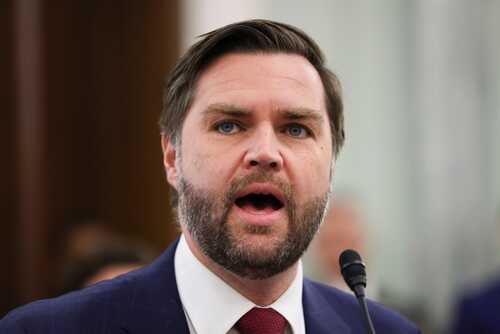
The rise of social media has transformed the way political disputes are aired, bringing intra-party conflicts into the public eye. Kentucky GOP Senator Rand Paul used this platform to label Vice President JD Vance’s remarks as “despicable” and “thoughtless,” a move that underscores the growing norm of public criticism among party members. This shift reflects not only the changing dynamics of political communication but also the challenges of maintaining party unity in the digital age.
Rand Paul slams JD Vance's defense of strike on alleged Venezuelan cartel https://t.co/4kLUzbpMSf
— A DOG~ (@StillADog) September 7, 2025
The context for this criticism was a significant legislative debate over a “megabill” in June 2025. This high-stakes vote involved critical policy and budgetary decisions, making the public airing of grievances particularly jarring. The clash between Paul and Vance drew national attention, highlighting the fragility of Republican unity at a crucial legislative moment.
Key Players and Motivations
Rand Paul, known for his libertarian-leaning positions and willingness to challenge party leadership, played a central role in this drama. His motivations include advocating for limited government and transparency, often positioning himself as a maverick within the party. On the other hand, JD Vance, as vice president, seeks to advance the administration’s legislative agenda while maintaining party unity. This clash reflects deeper tensions between different GOP factions, with Paul and Vance representing distinct wings of the party.
The broader Senate Republican Caucus is interested in passing key legislation and projecting unity, making this public dispute particularly damaging. The incident may signal underlying tensions that could impact future legislative efforts and party cohesion.
Implications and Consequences
The immediate aftermath saw increased media scrutiny of GOP unity and leadership, with potential long-term implications for deeper factionalism within the party. The public nature of the criticism highlights the challenges of managing party dynamics in the digital age, where social media amplifies disagreements and shapes political narratives. The incident may influence perceptions of party discipline and effectiveness, affecting both the GOP electorate and broader political landscape.
Experts are divided on the impact of such public disputes. While some argue that transparency can be healthy for democracy, others warn of the risks associated with internal discord. Political analysts suggest that public disagreements among party leaders can erode confidence in legislative agendas and embolden opposition. The challenge lies in balancing the need for open discourse with the imperative of maintaining party cohesion.
Copyright 2025, DailyVantage.com.