dailyvantage.com — A partisan media pile-on claims an AI meme is “violence,” but the facts show political mockery—not incitement—driving the outrage machine.
Story Snapshot
- Critics accuse President Trump of sharing a “violent” AI video targeting Stephen Colbert [2].
- Available coverage shows Trump posted satirical, AI-crafted imagery amid a broader feud, not a call to harm [2].
- Late-night hosts framed the clip as degrading, escalating outrage for clicks and narrative advantage [1][2].
- This fight highlights rising concerns about synthetic media, political satire, and selective moral standards [1].
What Trump Posted And How Critics Framed It
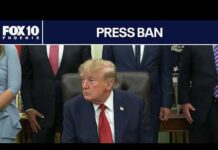
Contemporaneous coverage reported that President Trump shared an artificial intelligence video mocking Stephen Colbert following “The Late Show” finale, with descriptions ranging from Trump tossing Colbert into a dumpster to over-the-top imagery of Trump strafing New York in a satirical sequence [1][2]. Late-night commentary amplified the clip as degrading or “violent,” positioning the post as crossing a rhetorical line. The record in those segments confirms Trump posted the content; it does not show Trump directing harm or issuing threats [2].
Jimmy Kimmel’s program and related clips portrayed the episode as further evidence of Trumpian excess, using language that emphasizes shock value and supposed menace rather than parsing legal or constitutional standards for speech and satire [1][2]. The media framing leaned on moral condemnation to argue the video fostered hostility. Yet the evidence cited on-air is the posting itself and its tone, not instructions to act. That distinction matters for both fair coverage and free-speech principles [2].
Satire, Outrage, And The Attention Economy
Researchers and media observers have described how provocative digital content functions as a political accelerant: it signals in-group loyalty, dominates attention, and provokes outrage that multiplies reach across platforms [1]. Trump’s post fits that playbook—memetic, exaggerated, and designed to needle an adversary. So do the late-night reactions, which convert indignation into segments and viral clips. The cycle rewards extremity of tone more than substance, making the loudest interpretation—“violence”—outcompete the more accurate one: caustic satire [1].
The dispute also rides a larger wave of synthetic-media anxiety. Artificial intelligence tools make parody faster, stranger, and more shareable, while leaving watchdogs to debate where mockery ends and intimidation begins. The coverage cited discusses Trump’s post in that context but presents no evidence of direct threat or coordination to harm individuals [2]. Without that, calls to label the meme “incitement” look more like rhetorical lawfare than a fact-based standard for dangerous speech. The distinction protects everyone when partisan control changes hands [1].
Free Speech, Standards, And The Colbert Context
American free-speech norms have long protected harsh parody in politics, including material that many find crude or insulting. The cited segments acknowledge the feud backdrop—Colbert’s finale and Trump’s long-running criticism of late-night partisanship—while describing the post as degrading [1][2]. That critique is opinion. The factual core remains: Trump shared an artificial intelligence meme; commentators called it inflammatory; no on-air evidence showed a directive for violence. Those are separate categories with separate implications [2].
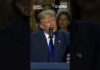
President Donald Trump shares an AI-generated video to mock talk show host Stephen Colbert of ‘The Late Show With Stephen Colbert’ after the show came to an end on May 21.
The video has Trump pushing Colbert into a dumpster before he begins dancing to the Village People’s… pic.twitter.com/iiFyoDGJ9e
— Vanguard Newspapers (@vanguardngrnews) May 23, 2026
Conservatives recognize the double standard at work. For years, liberal entertainment figures lampooned Republican leaders with skits, crude gags, and demeaning monologues that corporate media defended as comedy. When the target flips, satire suddenly becomes “violence.” Equal rules require even-handedness: if late-night shows can level biting ridicule, political figures can answer with parody—especially when it contains no threats and falls within the same arena of rhetorical combat documented in the cited broadcasts [1][2].
What Matters Going Forward
Voters should separate taste from tests that implicate the First Amendment. People can dislike Trump’s meme while also rejecting attempts to criminalize or deplatform political mockery absent a true threat. The cited coverage shows a post, a pile-on, and a familiar feedback loop that rewards outrage more than clarity [1][2]. The prudent response is consistent standards: defend speech, condemn real threats, and call out media narratives that rebrand satire as violence whenever it serves partisan convenience.
Sources:
[1] YouTube – Trump delays AI order, Colbert’s ‘Late Show’ ends, and …
[2] YouTube – 7M Attend Peaceful “No Kings” Rallies | George Santos Is A Free Man
© dailyvantage.com 2026. All rights reserved.