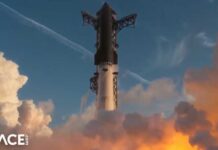
In one brutal week, SpaceX wiped out hundreds of billions in value and forced Wall Street to finally ask whether the AI boom is built on real profits or on cheap debt and hype.
Story Snapshot
- SpaceX lost about $400 billion in a single day and roughly $600 billion over three sessions as its post-IPO rally reversed.
- A surprise $20 billion bond plan to fund artificial intelligence projects turned investor excitement into fear about heavy debt and unclear returns.
- The selloff hit other big technology and chip stocks, raising questions about whether the wider AI trade is topping out.
- Analysts say the drop matches a familiar “IPO hype cycle,” not a full AI collapse, but it exposes the financial stress behind today’s AI arms race.
SpaceX’s record IPO meets a harsh reality check
SpaceX came to market in June with the largest initial public offering in history, valued around $2 trillion and pitched as a mix of rockets, satellites, and artificial intelligence. The stock jumped more than 20% on its first day and briefly traded above $200, feeding the story that AI could justify almost any price. Within days, though, shares fell sharply. A single session drop of about 16% to near $154 erased roughly $400 billion in value, one of the biggest one-day losses ever for a public company.
That crash did not happen in isolation. SpaceX sank for three straight trading days, with total losses of around 23–27% from its peak and roughly $600 billion in market value wiped out. The stock even dipped below its $150 debut price at times, leaving many everyday buyers who chased the early spike suddenly under water. For ordinary investors, the “can’t lose” AI rocket they bought days earlier began to look more like a typical boom-and-bust IPO pattern than a once-in-a-generation chance.
Debt-fueled AI expansion spooks investors
The turning point was SpaceX’s plan to sell about $20 billion in investment-grade bonds soon after the IPO. The company already held more than $100 billion in cash, yet it chose to raise more debt to fund its artificial intelligence buildout and to repay a $20 billion bridge loan tied to acquiring Musk’s AI firm xAI. That move raised a basic question that frustrates both conservatives and liberals: if this AI business is as powerful and profitable as promised, why does it need so much borrowed money so fast?
Filings and analyst reports show why people are worried. SpaceX has racked up more than $40 billion in total losses since 2002, and its net loss jumped to over $4 billion in the first quarter of 2026, driven mainly by the cost of building AI data centers and buying hardware. One estimate puts the AI unit’s 2025 loss at around $6.4 billion. Ratings agencies still granted the bonds investment-grade status, but they flagged the AI segment as the riskiest part of the business because of huge upfront spending and unclear monetization timelines. Investors who already mistrust debt, bailouts, and elite financial engineering saw another example of big promises paid for with other people’s money.
Did SpaceX trigger a wider AI and tech selloff?
The sudden drop in SpaceX shares hit market confidence around artificial intelligence more broadly. Major chipmakers and large technology firms fell alongside SpaceX as traders questioned whether endless AI spending would really translate into profits. Some outlets framed the move as “rate fears puncturing an AI-fuelled rally,” noting that rising interest-rate expectations made long-term, cash-burning AI projects look less attractive. Others pointed to a global rotation out of expensive tech and into safer assets, suggesting SpaceX was more a spark than the sole cause of the pullback.
There is still debate over how much blame belongs to SpaceX versus the overall market. Some analysts say earnings worries at other companies, including big memory chip makers, were at least as important as SpaceX’s bond news. At the same time, research shows that most high-hype IPOs with big first-day “pops” underperform later, as early enthusiasm fades and reality sets in. In that sense, the SpaceX slide fits a long pattern: regular investors buy near the top, insiders use complex structures and lockups, and when the dust settles, wealth has shifted upward while small buyers hold the bag.
AI bubble or IPO hype cycle? What the pattern suggests
Data across thousands of initial public offerings shows that more than half of new listings lose money for buyers over several years, especially when bought at the first-day closing price instead of the original offer. Studies of technology listings find average underperformance versus the broader market, with the worst results often coming from the most hyped deals. SpaceX’s path—huge valuation, thin free float, rapid post-IPO slump—matches that “IPO trap” pattern that has quietly destroyed retail wealth for decades.
$SPCX SpaceX shares sliding almost 5% today, back near their $135 IPO price
— Veteran investor calling SpaceX a severe valuation bubble sparked bearish sentiment into the week
— Morgan Stanley flagged China's rocket booster recovery as a real long-term threat to SpaceX's launch…— StocksDaily (@StocksDaily) July 13, 2026
That does not mean the entire AI sector has collapsed, or that SpaceX is doomed. The company still sits near or above its IPO price at times, and many analysts remain bullish on its long-term mix of rockets, Starlink internet, and AI services. But the episode exposes deeper fault lines that many Americans already sense. A small group of tech and finance elites make sweeping AI bets funded by massive leverage. Ordinary investors, workers, and taxpayers shoulder the risk, while clear evidence of broad, shared economic gains remains thin. Whether we call it an AI bubble or an IPO hype cycle, SpaceX’s crash is a warning that chasing grand narratives without hard numbers is a luxury the country can no longer afford.
Sources:
feedpress.me, aljazeera.com, nytimes.com, startuphub.ai, forbes.com, businessinsider.com, fool.com, kucoin.com, reuters.com, finance.yahoo.com, latimes.com, cnbc.com, youtube.com, areeblog.com
© dailyvantage.com 2026. All rights reserved.