(DailyVantage.com) – President Trump ordered a naval blockade of the Strait of Hormuz after Iran refused to abandon its nuclear weapons program during peace negotiations, marking a dramatic escalation that threatens to disrupt one-fifth of the world’s oil supply while exposing yet another failure of diplomatic engagement with a regime many Americans believe should have been confronted years ago.
Story Snapshot
- Trump announces immediate blockade after 21-hour peace talks in Pakistan collapse over Iran’s refusal to surrender nuclear ambitions
- U.S. Navy will interdict vessels paying illegal Iranian tolls and destroy mines in the strategic waterway carrying 20% of global oil
- Iran’s Revolutionary Guard warns of controlling strait traffic in a “deadly vortex” as tensions spike despite fragile ceasefire
- Oil prices surge as blockade threatens economic devastation for Tehran while raising costs for American consumers
Diplomatic Collapse Triggers Military Response
Vice President JD Vance led marathon negotiations in Islamabad on April 11, 2026, seeking to end hostilities between the United States and Iran. The 21-hour talks addressed multiple issues, with both sides reaching tentative agreement on five key terms. However, the discussions foundered on the sixth and most critical demand: Iran’s complete abandonment of its nuclear weapons program. Vance departed Pakistan confirming that Tehran “chose not to accept our terms,” leaving the two-week ceasefire negotiated just days earlier hanging by a thread and exposing the regime’s true priorities.
Trump announced the blockade via Truth Social on April 12, stating operations would commence at 10:00 the following morning. The president characterized Iran’s actions in the Strait of Hormuz as “world extortion,” citing the regime’s imposition of illegal tolls on commercial shipping transiting the narrow waterway. Trump vowed that any Iranian forces attacking U.S. vessels would be “BLOWN TO HELL,” echoing the uncompromising rhetoric that has defined his approach to Tehran. The announcement followed what Trump described as successful prior strikes that destroyed 158 Iranian ships and eliminated much of the regime’s mine-laying capability.
Strategic Chokepoint Becomes Flashpoint
The Strait of Hormuz represents a 21-mile-wide chokepoint between the Persian Gulf and Gulf of Oman, funneling approximately 20 percent of the world’s oil supply through waters Iran has sought to control for decades. Since the 1980s Iran-Iraq Tanker War, Tehran has periodically threatened closure or imposed de facto restrictions through mining operations and vessel seizures. The current crisis escalated when Iran began charging tolls and restricting passage, leveraging control of the waterway to finance what U.S. officials describe as nuclear weapons development, ballistic missile programs, and proxy forces throughout the Middle East.
Retired Vice Admiral Robert Harward, former CENTCOM deputy commander, endorsed Trump’s strategy as “sound and extremely successful,” noting that targeting the Islamic Revolutionary Guard Corps funding streams for nuclear and missile programs represents the most effective pressure point. Harward confirmed that Iran’s navy is effectively “underwater” following earlier U.S. military strikes, leaving Tehran with limited conventional capabilities to resist the blockade. This assessment contradicts Iran’s public posturing about controlling strait traffic, suggesting the regime may lack the military means to enforce its threats despite Revolutionary Guard warnings about trapping challengers in a “deadly vortex.”
Economic Warfare and Global Consequences
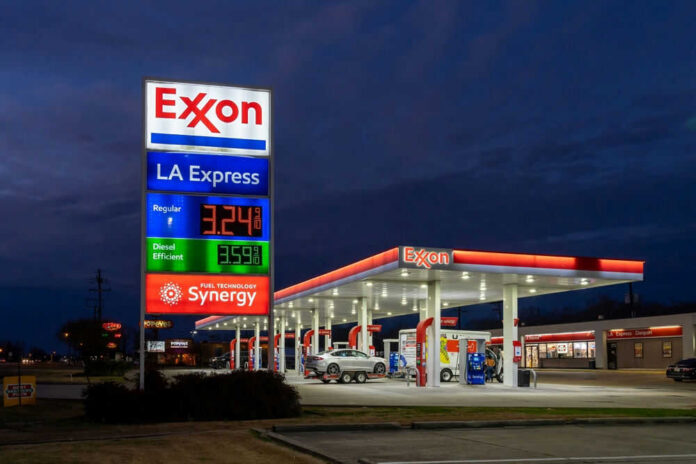
Oil markets reacted immediately to the blockade announcement, with prices surging on fears of supply disruptions from the strategic waterway. The economic impact extends beyond energy costs, potentially crippling Iran’s already devastated economy by cutting off its primary revenue source while simultaneously raising prices for American consumers struggling with inflation. Trump’s deployment of a carrier strike group signals Washington’s commitment to maintaining operations regardless of Tehran’s response, though the participation of other nations mentioned by the president remains unspecified, raising questions about international support for the escalation.
“Blown To HELL!” – Trump’s Hormuz Blockade PUNISHES Iran After Peace Talks Collapse pic.twitter.com/pu8iy1VLFv
— PBD Podcast (@PBDsPodcast) April 13, 2026
The blockade strategy reflects a calculated gamble that economic pressure will force Iranian concessions where diplomacy failed. Control Risks analyst Niamh McBurney noted the lack of urgency and compromise from both sides, warning that the blockade piles additional pressure on an already shaky ceasefire. For Americans tired of endless Middle East entanglements, the situation encapsulates a frustrating reality: decades of failed policies by both parties have empowered a regime that now holds global energy markets hostage while pursuing weapons that threaten regional stability. Whether military force succeeds where sanctions and negotiations have repeatedly failed remains to be seen, but the stakes for both American interests and everyday citizens paying at the pump have never been higher.
Sources:
Fox News – U.S.-Iran Talks and Strait of Hormuz Developments
Axios – Trump Naval Blockade of Iran’s Strait of Hormuz After Peace Talks
CBS News – Trump Strait of Hormuz Blockade on Iran
Fox News Video – Expert Analysis on Hormuz Strategy
Copyright 2026, DailyVantage.com