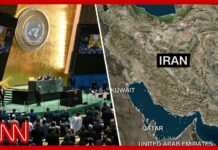
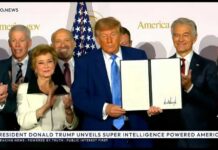
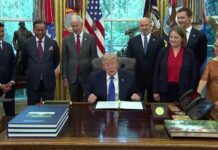
After nearly two weeks of bombing Iran, President Trump has suddenly hit pause, saying he wants a deal but keeping the threat of even bigger strikes on the table.
Story Snapshot
- Trump has paused U.S. strikes on Iran to give negotiations more time, while warning attacks could resume and intensify if talks fail.
- American and Iranian officials both say discussions are under way, helped by mediators from Gulf states and Pakistan.
- The pause mainly covers Iran’s energy infrastructure and power plants, which had been prime targets in the war.
- The decision shows how war, diplomacy, and pressure from allies all mix together — while ordinary people worry the “deep state” will drag them into endless conflict.
Trump Says Strikes Paused To Make Room For Talks
President Trump has ordered a halt or delay on several planned strikes against Iran, saying he wants to give negotiations another chance. In an interview, he said he decided to pause United States strikes “in order to give negotiations another chance,” and stressed that he is ready to restart “strong military action” if diplomacy does not work. The lull comes after almost two weeks of nightly attacks and Iranian responses, which had pushed the region close to a wider war.
United States Ambassador to the United Nations Mike Waltz has echoed this message, saying Trump is “giving talks some space” and “providing some space for negotiations to evolve.” Waltz explained that negotiations are happening at “all levels,” from technical experts up to top leaders. This public line matters because it tells Americans and allies that the pause is not a retreat, but a calculated move that still keeps the United States military “locked and loaded” with “all options available” if Iran refuses to agree.
Specific Pauses On Strikes Against Iran’s Energy System
Trump’s most concrete steps have focused on Iran’s energy facilities and power plants, a key part of the country’s economy and daily life. In late March, he ordered a five‑day pause on any United States strikes on Iranian power plants and energy infrastructure, tying that pause to “constructive conversations” with Iran that would continue through the week. He wrote that, based on the tone of these talks, he told the Department of War to postpone “any and all military strikes” on those targets for five days.
Days later, Trump extended that pause by another ten days, until April 6, saying that “discussions are continuing” and claiming they were going “positively,” despite what he called “misleading claims by the Fake News Media.” Reports from United States media say this longer delay came “at the request of the Iranian government,” and Trump repeated in a television interview that he extended the pause because talks were “going fairly well” and Iran wanted “more time.” In short, Trump is using the threat to Iran’s energy grid as a lever, but he is holding back for now to see if a deal is possible.
Role Of Foreign Mediators And Gulf Allies
Trump has also said he paused planned strikes after direct appeals from Gulf Arab leaders and other mediators, which highlights how many players are involved. German outlet Deutsche Welle reports that Trump canceled a military operation that was set for Tuesday after requests from Qatar, Saudi Arabia, and the United Arab Emirates, who saw “advancements in discussions with Iran.” Trump told supporters that these leaders had urged Washington to delay the assault because they believed there was “a very good chance” to negotiate a resolution.
In another case, Trump said he called off strikes for “two or three days” after leaders from Saudi Arabia, Qatar, and the United Arab Emirates asked for “more time” to pursue a diplomatic resolution. Analysts say Pakistan has also carried messages between Washington and Tehran. For many Americans, this mix of foreign pressure, quiet talks, and sudden shifts in war plans feeds the sense that big decisions are made by a small circle of elites and generals, while regular citizens just live with the fallout.
Talks Framed As A Chance For Peace — With A Warning
Trump and his team are clearly trying to sell this pause as a hopeful step toward ending the war, even as they threaten harsher action if Iran does not bend. Reuters reports that Trump recently canceled planned renewed strikes, saying negotiations with Iran had reached “the highest echelons” of its leadership and were backed by many regional allies. He described “friendly negotiations” during a three‑day lull and told reporters that both sides are keen to “make a deal,” with “significant areas of consensus” already found.
Billboards appeared across Tel Aviv urging US President Donald Trump to “finish the job” in Iran, ahead of Prime Minister Benjamin Netanyahu’s planned visit to Washington.
The campaign comes as Trump pauses strikes to allow diplomacy over the Strait of Hormuz, while warning that… pic.twitter.com/1XwUfcgsGo
— Global South World (@g_s_world) July 27, 2026
At the same time, Trump continues to warn that the United States could return to bombing “at a significantly greater level and intensity” if no agreement is reached. This mix of open hand and closed fist fits a broader pattern in United States crisis diplomacy: leaders pause strikes to show they are serious about peace, but they also keep military pressure ready to resume. For Americans who feel the federal government often plays power games while ignoring working families, this episode may look like one more example of the deep state managing war and peace above their heads — with real lives and energy prices on the line.
Sources:
military.com, cnn.com, axios.com, aljazeera.com, bbc.com, wlos.com, facebook.com, cbsnews.com, youtube.com
© dailyvantage.com 2026. All rights reserved.