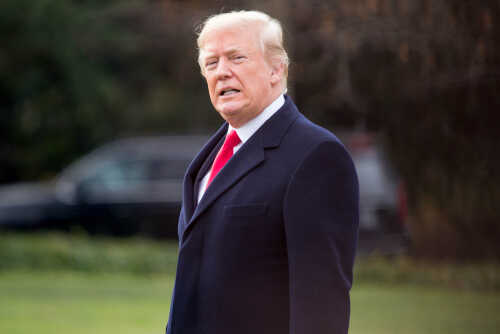
(DailyVantage.com) – The real story behind President Trump’s health issues might surprise you more than you think.
At a Glance
- President Trump diagnosed with chronic venous insufficiency (CVI).
- Senator Tuberville blames Trump’s health issues on “fighting radicals.”
- Medical experts dismiss political pressure as a cause of CVI.
- Public debate on presidential health transparency intensifies.
Trump’s Health Under Scrutiny
In July 2025, President Donald Trump, now the oldest-serving president in U.S. history, was diagnosed with chronic venous insufficiency (CVI), a condition where veins in the legs struggle to return blood to the heart. This led to public speculation when photos showed Trump with swollen legs and bruised hands. The White House attributed these symptoms to aspirin therapy and frequent handshaking, assuring the public that Trump remains in excellent health. However, the diagnosis has reignited discussions about the health of aging political leaders.
https://www.youtube.com/watch?v=U1WiBAp4jUc
The White House’s confirmation of Trump’s CVI diagnosis in mid-July came amidst ongoing scrutiny. The political climate remains highly polarized, with Trump and his allies frequently framing opposition from the left as a source of intense pressure. This narrative was echoed by Senator Tommy Tuberville, who suggested that the pressure of “fighting radicals” was a contributing factor to Trump’s health issues. However, medical experts note that CVI is common among older adults and is not typically caused by psychological stress or political pressure.
Political Narratives and Health Transparency
Senator Tuberville’s comments on a radio show quickly gained national attention. He claimed that the pressure on Trump was immense, likening it to a daily “fistfight” against the radicals in the country. This narrative attempts to paint Trump as a resilient leader under siege, a common strategy among his supporters to reinforce his image as a strong figure standing up against opposition. However, medical professionals emphasize the importance of distinguishing between age-related conditions and those caused by stress.
The White House, through press secretary Karoline Leavitt, maintained that Trump’s health is stable and his condition is benign and manageable. Despite these reassurances, the public and media continue to scrutinize Trump’s health, with debates about the transparency of presidential health disclosures gaining momentum. Critics argue that politicizing health issues undermines trust in official communications, while supporters rally around the narrative of their leader enduring undue stress.
Implications for Future Leadership
The renewed focus on Trump’s health brings to light the broader discussion on the fitness of aging political leaders. With Trump approaching the end of his second term, questions about the transparency of presidential health disclosures and the selection of older candidates in future elections are likely to persist. The discourse also touches on societal issues such as ageism and the demands placed on those in high office.
There are no direct economic impacts from Trump’s diagnosis, but potential political ramifications are significant. Health may become a more prominent issue in upcoming campaigns, influencing voter perceptions and candidate selection. The media and medical communities are likely to see increased demand for expert commentary on age-related health conditions, as the public seeks to understand the implications of such diagnoses on leadership.
Copyright 2025, DailyVantage.com