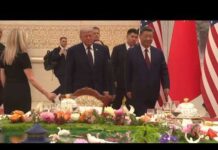
(DailyVantage.com) – President Trump delays strikes on Iran amid claims of secret talks, but Tehran’s blunt denial exposes the risky gamble in a war testing MAGA patience for endless foreign entanglements.
Story Snapshot
- Trump postpones five-day strike deadline on Iranian power plants, citing “major points of agreement” in talks led by Kushner and Witkoff.
- Iran’s Fars News Agency flatly denies any direct or indirect negotiations, sending clear rejection signals.
- Oil prices plunged 14% on the announcement before partial recovery, highlighting market doubts amid 24-day war fatigue.
- Proposals include U.S. control of Iran’s uranium and joint Strait of Hormuz oversight, but Iranian intransigence risks escalation.
Trump’s Ceasefire Push
On March 23, 2026, President Donald Trump announced a five-day postponement of U.S. strikes against Iranian energy infrastructure and power plants. He posted on Truth Social extending the deadline for the Strait of Hormuz reopening while crediting ongoing talks led by envoys Steve Witkoff and Jared Kushner. Trump told reporters of “major points of agreement” with a mysterious “top person” in Iran, not heir Mojtaba Khamenei. This move aims to end the 24-day war that began with U.S.-Israeli airstrikes on February 28. Conservatives who backed Trump’s no-new-wars pledge now question if deal-making trumps military resolve, especially with high energy costs hitting families at home.
Iran’s Firm Rejection
Iran’s state-run Fars News Agency immediately countered Trump’s claims, stating no direct or indirect communication occurred with U.S. officials. A senior security official via Tasnim News dismissed negotiations entirely. Iran’s Foreign Ministry accused Trump of fabricating talks to lower energy prices and delay strikes. This denial underscores Tehran’s refusal to yield on nuclear sovereignty or proxy activities, echoing rejections of Trump’s 2025 ultimatum demanding zero oil exports and proxy halts. For Americans weary of regime-change quagmires like Iraq, Iran’s stance validates frustrations over commitments that drain resources without clear victories.
Stakes in the Strait of Hormuz
The Strait of Hormuz, carrying 20% of global oil, remains closed, fueling price chaos that burdens U.S. consumers already squeezed by past inflation. Trump’s proposals seek joint control and U.S. possession of Iran’s uranium stockpile to prevent nuclear weapons. Failure within five days revives threats of bombing “our little hearts out,” per Trump. Markets reacted with a 14% oil drop followed by partial rebound, signaling trader skepticism. This volatility hits working families hardest, amplifying calls among MAGA supporters to prioritize America First over propping allies in perpetual conflicts.
War origins trace to Trump’s 2018 JCPOA exit and 2025 letter to Khamenei, ignored after Israel’s preemptive strikes sparked hostilities. Public polls show 94% MAGA backing but independents oppose, pressuring midterms.
War Fatigue and Domestic Backlash
U.S. public war fatigue grows after 24 days of conflict, with $200 billion supplemental funding sought amid midterm pressures. Professor Jeffrey Sachs notes Trump “reverses course” on ceasefire due to untenable support. Polls reveal MAGA division: strong base loyalty clashes with broader opposition to endless wars. Iranian opposition like Reza Pahlavi urges sparing civilian infrastructure for post-regime rebuilds. Conservatives value Trump’s deal instincts but demand fulfillment of promises to avoid new wars, protect energy independence, and shield families from globalist overreach.
Israel continues strikes on Tehran amid blackouts, while Hezbollah tensions rise on northern fronts. Long-term, deal success averts escalation but risks ceding leverage; rejection prolongs instability affecting Gulf trade and U.S. security.
Sources:
Wikipedia on 2025-2026 Iran-US negotiations
Copyright 2026, DailyVantage.com