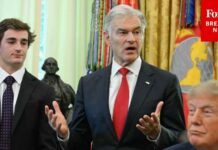
Wall Street cheered a weak jobs report as unemployment hit 4.2% and rate-hike odds fell, signaling a high-stakes turn in the fight over inflation policy.
Story Snapshot
- Employers added 29,000 jobs in September while unemployment rose to 4.2%.
- Markets shifted toward a pause on interest rates after the data missed forecasts.
- Cooling inflation readings added to the case for patience at the central bank.
- Leaders still warn inflation is too high, keeping hikes on the table.
What the Jobs Report Actually Showed
The United States added 29,000 nonfarm payroll jobs in September, and the unemployment rate rose to 4.2 percent, according to the Labor Department’s monthly report. The agency said both measures “changed little,” but the gain was well under common forecasts near or above 80,000. Prior months were also revised down, pointing to slower hiring than first reported. These details suggest a cooler labor market, though still far from a jobs collapse.
Major outlets reported that the miss versus expectations reset the debate over interest rates. Investors quickly marked down the odds of another increase this month. Financial news coverage described the report as weaker than expected and said it likely eased pressure on policymakers to act right away. That does not end the debate, but it moves the center of gravity toward a hold at the coming meeting, barring a sharp inflation surprise.
Why Markets Rallied on Soft Hiring
Stocks rose because the data signaled less need for tighter credit soon. When job growth slows and unemployment ticks up, the risk of over-tightening rises. At the same time, recent inflation readings came in cooler than forecasts, which supports a wait-and-see stance. Together, softer hiring and easing price data tell investors that policymakers can take more time before raising borrowing costs again, reducing near-term recession risk in market models.
Political and economic crosscurrents shape the reaction. Households feel squeezed by years of high prices. Business owners say borrowing costs and uncertainty make planning harder. Many citizens on both the left and the right doubt that leaders in Washington are focused on their struggles. A pause that avoids extra pain without giving up on price stability sounds reasonable to many, but trust is thin after years of policy swings and mixed signals.
What Policymakers Are Signaling Now
Top officials have stressed patience while keeping the door open to more moves. The central bank’s vice chair said inflation remains above the two percent goal and warned about upside risks. He also said future steps should depend on the data, the outlook, and the balance of risks. That framing matches a probable hold this month while preserving the option to hike later if prices reheat.
This stance fits a pattern seen all year. Softer labor data often shift the question from “how fast to tighten” to “whether more is needed at all.” But one weak report rarely decides policy. Leaders weigh jobs, inflation, and financial stability together. Markets may get a reprieve now, yet a hot inflation print or a rebound in hiring could quickly revive rate-hike bets and reverse this week’s market gains.
What This Means for Workers, Savers, and Retirees
Workers facing fewer openings may see hiring slow and wage gains cool. Savers benefit from higher yields as long as rates stay elevated. Retirees balancing fixed incomes against rising costs want prices lower without a deep downturn. Small businesses watching loan rates need clarity to invest and hire. A careful pause could help all groups if inflation keeps easing. But if prices flare again, leaders may choose more hikes, risking a sharper slowdown to restore price stability.
October Fed expectations have flipped fast ⚡️
A week ago markets were heavily leaning toward another hike. After softer inflation, dovish Fed comments and now a weak jobs report the odds have swung heavily toward a pause.
That shift in liquidity expectations matters for $XRP…
— MjB38 | Digital Finance (@MjB38) October 2, 2026
Many Americans see a system that swings between extremes, hitting families while shielding the well connected. They resent policy whiplash that lifts markets one week and threatens jobs the next. The path forward is simple to state and hard to execute: stick to facts, move at the speed of data, and own the tradeoffs. The new jobs report buys time. Whether that time is used to deliver steadier prices and durable growth is the test that matters most.
Sources:
youtube.com, cnbc.com, nytimes.com
© dailyvantage.com 2026. All rights reserved.