(DailyVantage.com) – Iran’s Revolutionary Guard threatens to strike American power plants and energy facilities on U.S. soil as a devastating month-long air campaign exposes deep fractures within Tehran’s regime and drags the entire Gulf region into open warfare—exactly the endless conflict Trump promised to avoid.
Story Snapshot
- IRGC vows retaliation against U.S. infrastructure after losing Supreme Leader Khamenei and facing 74 waves of airstrikes degrading missile and nuclear capabilities across 26 Iranian provinces
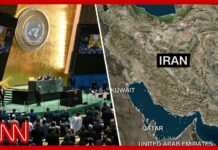
- Iran launched unprecedented attacks on all six Gulf Cooperation Council states—Bahrain, Kuwait, Oman, Qatar, Saudi Arabia, and UAE—hitting energy facilities and civilian areas for the first time since the 1980s Tanker War
- Internal power struggle erupts as hardline IRGC commanders override reformist President Pezeshkian’s ceasefire orders, exposing regime fractures and raising questions about who truly controls Iran
- Trump’s ultimatum on reopening the Strait of Hormuz threatens further escalation while Americans face soaring energy costs and the specter of terrorism on home soil
IRGC Threatens Direct Attacks on American Homeland
The Islamic Revolutionary Guard Corps issued stark warnings on March 23, 2026, threatening attacks on U.S.-linked power plants, energy facilities, and critical infrastructure in response to Washington’s push to formally designate the IRGC and Hezbollah as terrorist organizations. The threats mark a dangerous escalation from proxy warfare to direct targeting of the American homeland. CENTCOM Admiral Brad Cooper warned Iranian civilians to stay indoors as the 74th wave of strikes under operation “True Promise 4” commenced, demonstrating the relentless pace of military operations now entering their fourth week with no end in sight.
Devastating Air Campaign Cripples Iranian Military Command
U.S. and Israeli forces established air superiority over central Iran following surprise strikes beginning February 28 that killed Supreme Leader Ali Khamenei and decimated senior IRGC leadership. The coordinated assault targeted nuclear enrichment sites, missile production facilities, and command centers across Tehran and western provinces. By March 10, the IRGC evacuated the city of Mariwan and shifted tactics to high-payload missile strikes exceeding 1,000 kilograms, signaling desperation as traditional capabilities eroded. Intelligence suggests potential Israeli special forces operations at nuclear sites remain unconfirmed, while the campaign’s intensity raises concerns about mission creep beyond stated objectives of dismantling weapons programs.
Gulf States Dragged Into Widening Regional War
Iran shattered decades of relative Gulf security on March 3 by launching missile barrages against all GCC member states simultaneously—a strategic blunder analysts say may backfire catastrophically. Strikes hit energy infrastructure in Saudi Arabia and the UAE, an LNG facility in Qatar, and civilian areas including airports and luxury districts from Bahrain to Oman. The attacks represent the first direct Iranian assault on these nations since the 1980s Tanker War, collapsing what ACLED analyst Luca Nevola termed the region’s “security illusion.” Israel’s March 18 strike on Iran’s South Pars gas field, followed by retaliatory hits on Qatari energy assets, threaten global liquefied natural gas supplies and desalination plants critical to Gulf populations, exacerbating humanitarian concerns.
Internal Fractures Expose Regime Power Struggle
A widening rift between hardline IRGC commanders and Iran’s Interim Leadership Council, led by Ali Larijani alongside reformist President Pezeshkian, reveals dangerous instability within Tehran’s power structure. The IRGC continues military operations despite Pezeshkian’s reported ceasefire orders, with hardliners threatening Kurdish secessionists and overriding civilian authority. Iranian opposition figure Reza Pahlavi called for surgical strikes sparing civilian infrastructure, while the regime formed an emergency council after Khamenei’s death to project unity. However, forced evacuations, prison breaks amid strikes, and proxy militia crackdowns on Kurdish groups in Iraq demonstrate the IRGC’s determination to maintain control through force, not reconciliation, dashing any hopes for rapid regime collapse.
Iran Ramps Up Threats as Tide Turns Against the IRGC https://t.co/t2MMDsLhP8
— Chuck Nellis The Phoenix (@ChuckThePhoenix) March 24, 2026
Trump’s March 22 ultimatum demanding Iran reopen the Strait of Hormuz or face strikes on power infrastructure places American credibility on the line while energy markets brace for supply disruptions. The administration’s coordination with Israel and push for global terror designations reflect determination to dismantle the IRGC permanently, yet the conflict’s expansion contradicts 2024 campaign promises to end endless wars. With Iranian proxies threatening U.S. partner nations like Jordan and missile strikes reaching their 74th wave, the trajectory points toward protracted confrontation rather than swift resolution. Gulf states, historically insulated from direct conflict, now face pressure to join the anti-Iran coalition formally, potentially widening hostilities further while Americans pay the price at the pump and worry about retaliation reaching their communities.
Sources:
ACLED: Middle East Special Issue – March 2026
Iran Threatens Retaliation Against US Targets After Israel Attack
Critical Threats: Iran Updates – January 2026
Iran Issues Global Threat as Israel’s Regime Kill List Grows
ISW: Iran Update Evening Special Report – March 2, 2026
The Iran War and The Global Terrorism Threat
Copyright 2026, DailyVantage.com