(DailyVantage.com) – As Ukrainian President Volodymyr Zelensky uses a Christmas message to hint that “may he perish” is his nation’s shared wish for Vladimir Putin, President Trump’s America is left reassessing what real peace, strength, and restraint should look like in a dangerous world.
Story Snapshot
- Zelensky’s Christmas Eve address invoked a “may he perish” wish widely understood as aimed at Putin, even as he spoke of peace.
- Russia answered the holiday with more missile and drone strikes, continuing a years-long pattern of targeting Ukraine during Christmas.
- The remarks land just as Trump-backed negotiators try to advance a controversial peace framework between Kyiv and Moscow.
- Escalating rhetoric raises questions for American taxpayers about endless foreign entanglements and priorities at home.
Zelensky’s Christmas Message Blurs Line Between Prayer For Peace And Wish For Death
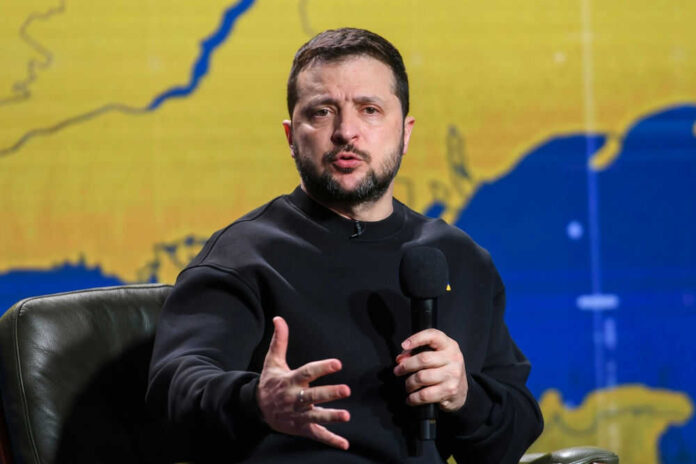
On Christmas Eve 2025, Ukrainian President Volodymyr Zelensky released a video address in which he claimed that Ukrainians share “one dream” and “one wish,” then added, “may he perish, each of us may think to ourselves,” a phrase widely interpreted as aimed at Russian President Vladimir Putin. He did not name Putin directly, but media across Europe and Ukraine treated the remark as a pointed reference before noting his pivot toward calls for peace and protection for his country.
The address came as Ukraine, for the second year, officially marked Christmas on December 25 instead of January 7, underscoring a deliberate cultural break from Russia. The change in calendar, celebrated in Western coverage as de-Russification, framed the holiday as both spiritual and political. Against that backdrop, Zelensky’s choice to voice a death wish, even as an internal thought, stood out sharply compared with his prior Christmas messages that focused more on resilience and less on personal vengeance.
Holiday Airstrikes Underscore Brutal Reality Of War In Ukraine
While Zelensky spoke, Russian forces continued their now-familiar pattern of striking Ukraine over major Christian holidays. Between December 24 and 25, Russian missile and drone attacks reportedly involved 131 projectiles, killing at least four people and injuring dozens more in regions such as Kherson, Zaporizhzhia, Odesa, Sumy, and Kharkiv. Ukrainian officials described “massive shelling,” while Russia claimed to have shot down Ukrainian drones near Moscow and Tula as Kyiv targeted industrial and military-linked facilities.
These attacks fit a grim four-year trend of holiday offensives. During Christmas 2022, strikes on Ukraine’s energy infrastructure plunged cities into blackouts, while a Kremlin-announced ceasefire around Orthodox Christmas in January 2023 coincided with continued shelling and additional deaths. The repeated pattern has hardened attitudes on both sides, with Ukrainians viewing Christmas attacks as evidence that Moscow exploits sacred days, and Russian spokesmen insisting their operations remain military in nature despite civilian casualties.
Trump-Era Peace Push Faces Clashing Expectations In Kyiv And Moscow
Zelensky’s “may he perish” remark landed just weeks after President Trump’s administration advanced a 20-point peace framework that many analysts initially described as more favorable to Moscow. The effort, which aims to end a war now approaching its fourth year, reportedly contemplates demilitarized zones in eastern regions like Donbas and around the Zaporizhzhia nuclear plant, under international monitoring, with some elements subject to referendum among local populations.
Ukraine has signaled tentative alignment with parts of the U.S. plan, especially proposals that could reduce frontline shelling and bring international oversight to sensitive areas. However, control of Russian-occupied Donbas and long-term arrangements for Zaporizhzhia remain the most difficult points. The Kremlin continues to reject any terms it views as forcing territorial concessions, while Kyiv resists legitimizing Moscow’s land grabs. Zelensky’s sharper rhetoric on Christmas risks making compromise politically harder at home, even if his government stays engaged with U.S.-led diplomacy.
Rhetoric, Morale, And What It Means For American Conservatives
Kremlin spokesman Dmitry Peskov quickly condemned Zelensky’s address as “uncouth,” “strange,” and “embittered,” seizing on the death-wish line to portray Ukraine’s leadership as driven by hatred rather than a desire for stability. Western outlets, in contrast, emphasized the emotional weight of delivering a message under bombardment, often framing Zelensky’s words as a raw expression of suffering Ukrainians who have watched family members killed and homes destroyed during holiday seasons for several years running.
For American conservatives, the episode underscores several tensions. On one hand, many sympathize with a nation under attack and appreciate President Trump’s use of leverage to push both sides toward negotiations instead of endless escalation. On the other, the fusion of spiritual language, political theater, and personal animus in a Christmas message raises serious questions about judgment, restraint, and where U.S. tax dollars and diplomatic capital should prioritize real peace over performative rhetoric.
Copyright 2025, DailyVantage.com