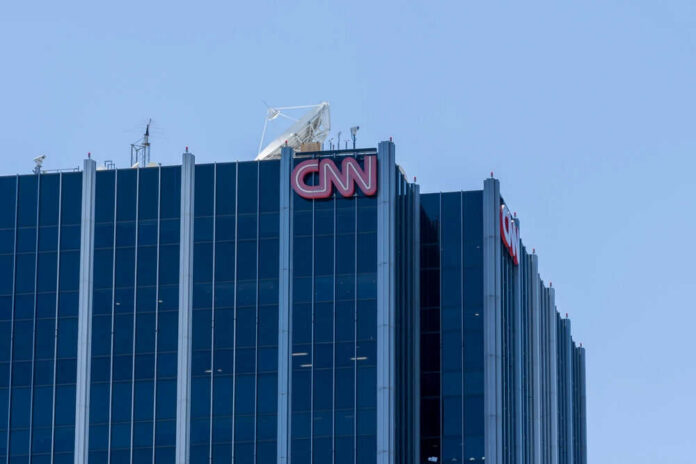
(DailyVantage.com) – CNN’s Abby Phillip rewrote an ISIS-inspired bombing attempt in New York City in a way that flipped victims and targets—then walked it back only after public backlash.
Quick Take
- Authorities said two teens inspired by ISIS hurled an improvised explosive device at anti-Muslim protesters outside Gracie Mansion, not at NYC Mayor Zohran Mamdani.
- On CNN’s NewsNight, Abby Phillip described the incident as an “attempted terror attack against” Mamdani and tied it to GOP rhetoric—an account contradicted by law enforcement details.
- CNN also deleted an earlier tweet that downplayed the incident by framing suspects as “Pennsylvania teenagers,” later saying it breached standards and failed to reflect the gravity.
- Phillip apologized on X and corrected the target, but reporting available so far does not confirm an on-air correction of the segment.
What police and prosecutors say happened outside Gracie Mansion
Investigators described the March 7, 2026, incident as an ISIS-inspired attempt to strike far-right anti-Muslim protesters gathered outside Gracie Mansion, the mayor’s residence. Reports identify Emir Balat, 18, and Ibrahim Kayumi, 19, as the suspects. Authorities said an improvised explosive device was thrown at the protesters and did not fully detonate, and no injuries were reported. Legal proceedings were still developing as of March 11.
U.S. Attorney Jay Clayton publicly confirmed the alleged ISIS inspiration and emphasized the target as right-wing protesters—an element that matters because it frames the event as an attack aimed at suppressing speech rather than a strike on a political officeholder. NYPD Commissioner Jessica Tisch also described the suspects’ alleged consumption of ISIS propaganda and references to the Boston Marathon bombing, adding to the seriousness officials attached to the motive and intended impact.
How CNN’s on-air framing clashed with the stated facts
On March 10, Phillip told viewers the story involved an “attempted terror attack against” Mayor Zohran Mamdani. She then connected that description to claims about Republicans saying “Muslims don’t belong here,” and she criticized House Speaker Mike Johnson for not condemning unspecified comments. The problem is straightforward: the attack was not described by authorities as an attempt on Mamdani. It was described as an attempted bombing aimed at protesters outside the residence.
That mismatch is not a minor wording dispute because it changes who the public understands to be the intended victim and how the political fallout gets framed. When the target is presented as the mayor, the conversation naturally shifts toward partisan messaging and protecting a politician. When the target is a protest crowd, the central issue becomes public safety and whether Americans can speak—however offensive some find it—without facing violence. Clayton’s comments, as reported, leaned toward the free-speech angle.
The deleted CNN post and the importance of accurate terror reporting
Phillip’s segment came after another CNN misstep tied to the same story. Reporting indicates CNN deleted a prior social post that described the suspects in a way that did not convey the seriousness of the incident and later issued a statement that the post breached standards and “failed to reflect the gravity.” That sequence—first an online framing problem, then an on-air target error—fed criticism that corporate media can’t be trusted to handle politically charged violence with precision.
Newsrooms make mistakes, but terror cases demand extra care because the public forms lasting impressions fast and corrections rarely travel as far as the initial claim. In this case, available reporting says the device did not fully detonate and no one was hurt, but authorities still described ISIS inspiration and a desire for a high-profile attack. When coverage blurs target, motive, or severity, it can inflame tensions, mislead viewers about threats, and distort accountability for both perpetrators and public officials.
Phillip’s correction on X and what remains unresolved
On March 11, Phillip issued a correction on X, writing that her earlier wording was inaccurate and apologizing for the error. That public correction addressed the key factual point: the bombing attempt targeted anti-Muslim protesters, not Mayor Mamdani. However, the research provided does not confirm whether CNN aired a clear, on-the-record correction in the same forum where the mistaken claim was broadcast—an issue that often matters to viewers who expect transparency and equal prominence for corrections.
The bigger political takeaway, based strictly on the available reporting, is about media incentives and public trust—not a proven policy case for any specific deportation program. The research mentions “mass deportations” rhetoric in the broader immigration debate, but it also notes limited sourcing for claims that such a policy is “mandatory.” What is strongly supported is this: officials described an ISIS-inspired attack aimed at civilians at a protest, and a major network host initially told the public it was an attack on a mayor.
Sources:
CNN’s Abby Phillip Falsely Claims NYC Terror Attack’s Target Was Zohran Mamdani
“I Apologize for the Error”: Abby Phillip Corrects False Claim About NYC Terror Attack
CNN’s Abby Phillip Apologizes After Backlash Over New York Terror Attack Comments
Copyright 2026, DailyVantage.com